Perry Hall stump grinding: A planning timeline from consultation to completion
By • September 25, 2026
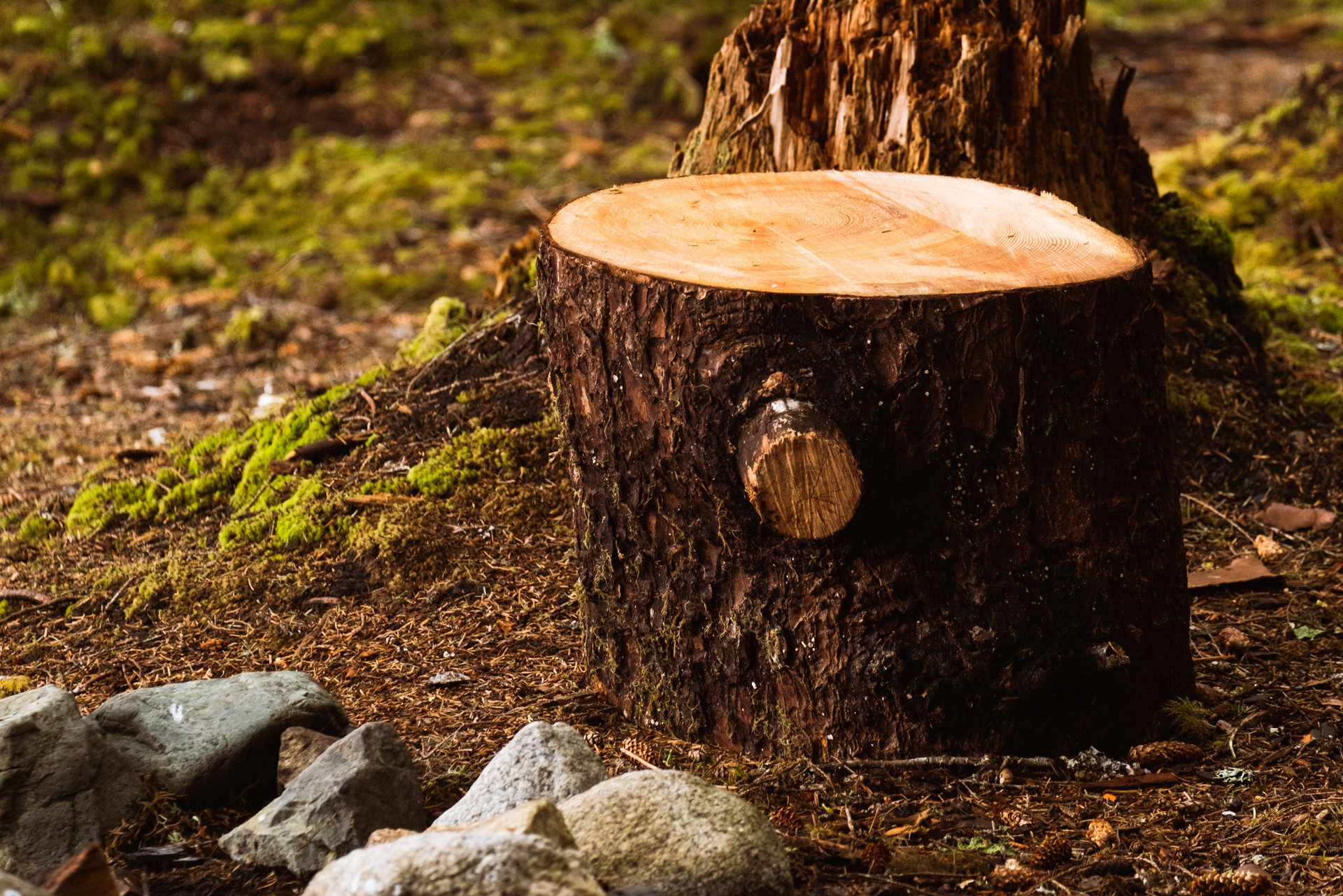
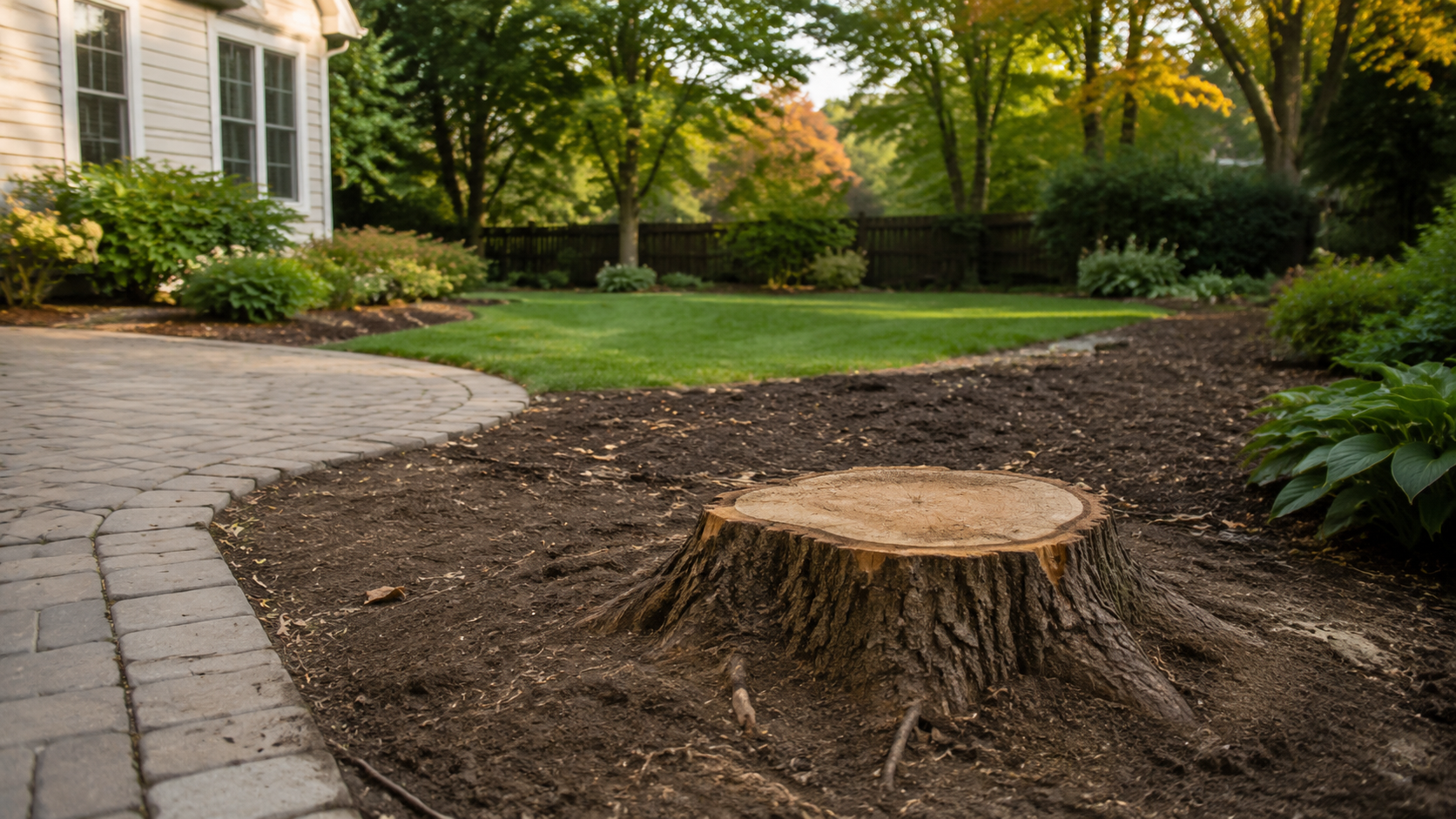
A tree stump can remain long after the original tree is removed, leaving an obstacle that affects mowing, landscaping and the future use of the yard. Stump grinding can reduce that obstruction below ground level, but the project requires more planning than bringing a machine onto the property.
The contractor must evaluate the stump, confirm equipment access, identify nearby utilities and understand what the homeowner intends to do with the area afterward. The desired final use can influence the grinding plan, cleanup expectations and restoration steps.
For property owners considering stump grinding in Perry Hall, MD, this timeline explains the principal decisions between the initial consultation and the completed work area.
Begin with the future use of the space
The consultation should begin with a practical question: what do you want to do with the area after the stump is gone?
A homeowner planning to restore the lawn may have different expectations from someone preparing for a planting bed, patio, walkway or construction project. The intended use helps the contractor understand how the treated area must function after grinding.
Stump grinding generally reduces the visible stump and accessible root flare below the surrounding grade. It does not normally excavate every root extending through the property. This distinction matters when future construction or substantial excavation is planned.
If the area is part of a larger outdoor improvement, share those plans during the consultation. The contractor can then explain whether stump grinding is appropriate or whether additional clearing and site preparation may be necessary.
The site assessment defines the project scope
Before providing a complete proposal, the contractor should inspect the stump and its immediate surroundings.
The evaluation includes more than measuring the widest part of the visible wood. The contractor may need to consider the tree species, stump height, root flare, decay and whether multiple trunks formed one connected base.
Stump diameter and root flare
A stump that appears relatively small from above may widen substantially near the soil. Exposed surface roots can extend the working area beyond the central trunk.
The estimate should be based on the complete area that requires grinding rather than a single measurement taken across the top of the stump.
Stump condition
Fresh, solid wood can respond differently from a partially decayed stump. Old stumps may also contain embedded stones, soil or material concealed by vegetation.
The contractor should identify visible conditions that could affect the work and explain how unexpected objects will be handled if discovered during grinding.
Final Cut Landscape & Tree Care’s stump-removal services provide additional information about preparing yards for landscaping and other improvements.
Equipment access must be confirmed early
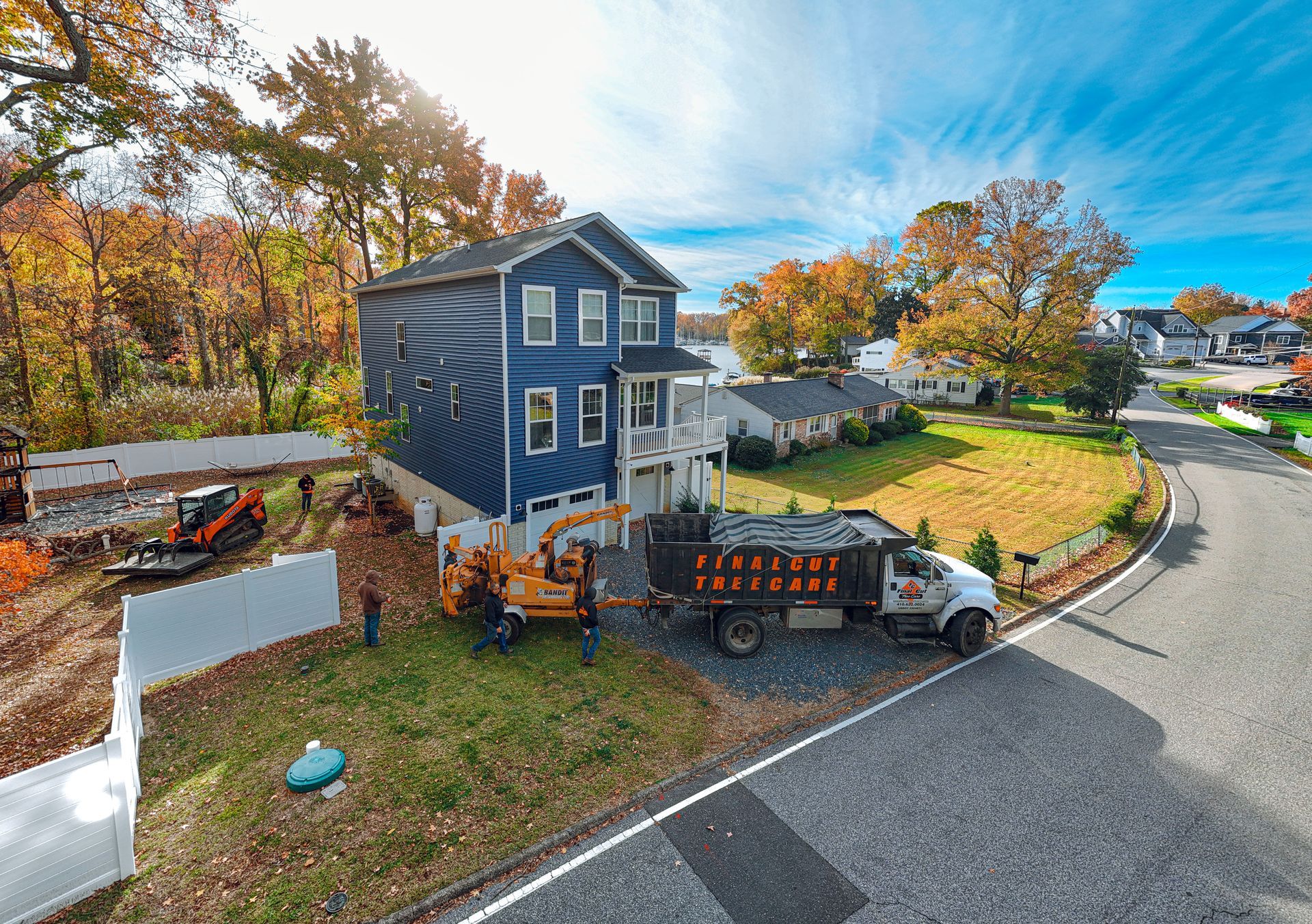
A stump grinder must reach the work area through an appropriate access route. This is especially important when the stump is in a fenced backyard or behind a home.
The contractor may need to measure gates, side passages and spaces between structures. Steps, retaining walls, steep slopes and narrow turns can also affect which equipment can reach the stump.
Homeowners should identify soft ground, drainage areas, irrigation equipment and recently installed landscaping along the proposed route. These conditions may influence equipment selection or scheduling.
Access problems discovered on the service date can delay the work. Confirming the route during the consultation allows the estimate and project plan to reflect actual property conditions.
Underground utilities must be addressed before grinding
Stump grinding takes place below the visible surface, so underground conditions are an important planning consideration.
Electric, gas, water, communication and other utility lines may cross or pass near the work area. Private systems such as irrigation lines, landscape lighting and invisible pet fencing may not be included in standard public utility markings.
Tell the contractor about known private lines and previous installations. If the stump is close to a utility, the grinding area or method may need to be adjusted.
The presence of underground infrastructure does not automatically prevent stump grinding, but it must be considered before the machine begins working.
Confirm whether connected roots are included
Large surface roots can remain visible after the main stump has been ground. Whether they should be addressed depends on their location, accessibility and the future use of the space.
A homeowner restoring a simple lawn area may have different priorities from someone installing a walkway or regrading the property. Grinding every visible root is not automatically included unless the proposal identifies that work.
Discuss prominent roots during the consultation and ask which areas the estimate covers. A clearly marked work zone is more useful than assuming that every root connected to the former tree will be removed.
Planning to remove a stump from your Perry Hall property?
Request an estimate from Final Cut Landscape & Tree Care to evaluate the stump, equipment access, nearby utilities and your plans for the cleared area.
Review the estimate before scheduling
The proposal should identify the stump or stumps included and describe the principal work. For properties with several stumps, confirm whether each one has been measured and priced.
The estimate should also explain debris handling, site leveling and any restoration included after grinding. These details can vary according to the project and the homeowner’s intended use.
Before approving the work, clarify:
- The stump and visible root areas included
- The expected grinding area
- How grindings and excess debris will be handled
- Whether soil, seeding or other restoration is included
These four points help distinguish the grinding service from later landscaping work without creating an unnecessarily long checklist.
Prepare the property before the appointment
Once the project is scheduled, confirm the equipment route and move portable obstacles from the area.
Vehicles, furniture, planters, hoses, decorations and play equipment should be removed from the work zone. Gates must be unlocked, and pets should remain indoors or in another secure area.
If the contractor identified a specific route, avoid placing materials or vehicles there before the appointment. Homeowners should also mark or communicate the location of private irrigation and lighting systems.
Do not attempt to dig around the stump or cut major roots immediately before the service. Unplanned excavation can expose utilities or change the ground conditions evaluated during the consultation.
Weather and soil conditions can affect scheduling
Stump grinding can often be completed during different seasons, but the property must still support safe equipment access.
Extended rain can soften lawns and drainage areas, increasing the possibility of rutting or soil disturbance. Frozen or unusually saturated ground can also affect the project plan.
The contractor may recommend rescheduling when access conditions could damage the property or make equipment positioning unsafe. A delay caused by poor ground conditions can help prevent a larger restoration problem afterward.
If the weather changes significantly before the appointment, ask whether the original access plan remains appropriate.
What happens during stump grinding?
The crew should first confirm the approved stump and review the surrounding work area. Any changes since the consultation, such as new landscaping or exposed lines, should be discussed before grinding begins.
The immediate area is then prepared, and the stump grinder is positioned according to the access plan. The grinding equipment reduces the wood into smaller material while the operator works across the stump and approved root flare.
The amount of time required depends on stump size, wood condition, access and the number of stumps included. A straightforward residential project may be completed during one visit, but the estimate should establish expectations for the specific property rather than promise a universal timeframe.
People and pets should remain away from the controlled work area. Stump grinders can project chips and small debris, so homeowners should not approach the equipment while it is operating.
Decide how the grindings will be managed
Stump grinding can produce more material than homeowners expect. The volume includes processed wood and soil from around the stump.
Depending on the agreed scope, some grindings may be used to fill the opening, placed in another area or removed from the property. Using all the material to refill the space may leave a mound that settles over time.
If the area will become lawn or a planting bed, excess grindings may need to be removed and replaced with suitable soil. Wood material decomposes differently from topsoil and may not provide the preferred surface for every landscaping plan.
Confirm the cleanup method before the project begins so that the completed area supports the intended next step.
Plan the restoration before the final review
Stump grinding and final landscape restoration are related, but they are not necessarily the same service.
The ground may settle after the wood and surrounding soil have been disturbed. Homeowners planning grass may need additional soil, grading and seed. A future patio or walkway may require further excavation and base preparation.
If the stump was one of several obstacles across a larger area, Final Cut’s lot-clearing services may provide a better framework for coordinating brush, small trees, debris and site access.
Discussing the next project before grinding helps prevent duplicated work. It also clarifies whether the area needs only basic leveling or more extensive preparation.
Complete a final site review
After grinding and cleanup, inspect the area with the project representative. Confirm that the approved stump and root areas were addressed and that grindings were handled according to the proposal. Review the equipment route for any condition that needs attention.
Ask what remains below the surface and whether the area requires settling time before restoration or construction. Even after grinding, deeper roots may remain underground and gradually decompose.
Keep the estimate and final invoice with the property records. This documentation can help a landscaping or construction contractor understand the previous work completed in the area.
Coordinate stump grinding with tree removal when possible
When a tree has not yet been removed, discussing the stump during the tree-removal consultation can simplify planning.
The contractor can evaluate equipment access before logs, vehicles or other project materials occupy the area. The homeowner can also decide whether wood, chips and stump grindings should be removed or retained.
Coordinating both stages creates a clearer transition from tree removal to yard restoration. Final Cut provides professional tree-removal services for planned and hazardous tree projects throughout Maryland.
Plan stump grinding in Perry Hall with Final Cut
A well-planned stump grinding project begins with the intended use of the area. The contractor can then evaluate stump size, roots, access, utilities, ground conditions, cleanup and restoration requirements.
Final Cut Landscape & Tree Care provides localized stump removal and grinding in Perry Hall, MD, along with tree removal, lot clearing and landscaping services.
Request an estimate from Final Cut
Related stump and property-clearing resources
- Stump removal in Perry Hall, MD
- Professional stump-removal services
- Stump removal services in Maryland
- Lot-clearing services
- Professional tree-removal services
Stay in the know
Sign up to get insights, trends, and more in your inbox.
Contact Us
We will get back to you as soon as possible.
Please try again later.
SHARE THIS