What shapes the scope of tree removal in White Marsh?
By • September 18, 2026
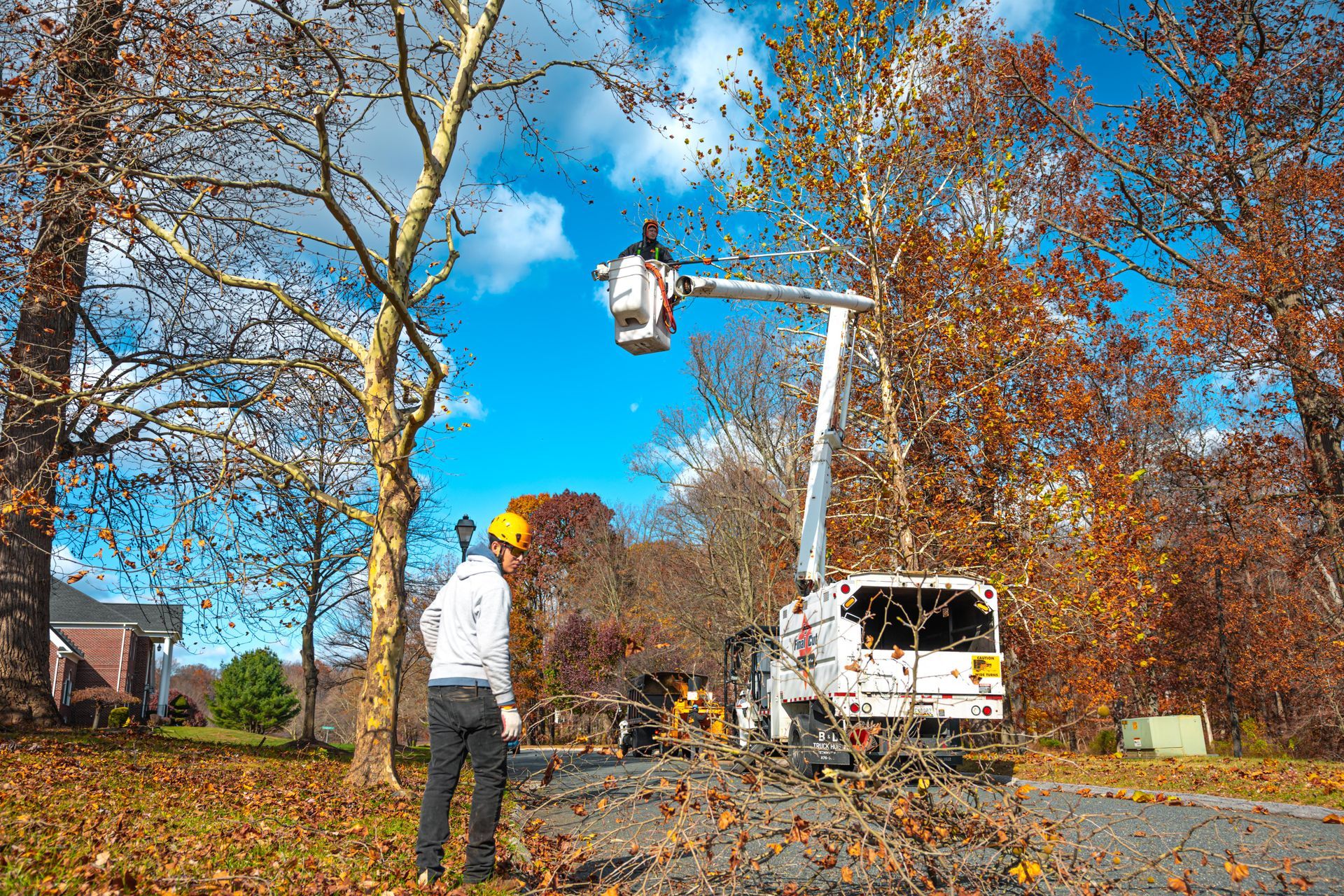
The scope of a tree removal project depends on more than the height of the tree. Its condition, trunk diameter, canopy spread, location, surrounding structures and accessibility all influence the equipment, crew and removal method required.
Cleanup choices also matter. Removing the standing tree, hauling branches, processing logs and grinding the stump may be treated as separate parts of the proposal.
For homeowners researching tree removal in White Marsh, MD, understanding these variables makes it easier to evaluate an estimate and compare the actual work being proposed. A professional assessment should examine the complete site rather than assign a price based only on a photograph or approximate tree size.
The assessment begins with the reason for removal
A tree may be considered for removal because of storm damage, declining health, structural instability or conflicts with planned property improvements. The reason helps establish both the urgency and the appropriate work plan.
Visible conditions such as a sudden lean, a split trunk, large dead branches or exposed roots may require prompt evaluation. Other concerns develop gradually, including canopy decline, recurring branch loss or fungal growth near the trunk.
Not every visible problem requires removal. Some trees may benefit from trimming, monitoring or another form of care. The assessment should determine whether the concern affects one section of the tree or its overall structure.
Final Cut Landscape & Tree Care’s professional tree-removal services provide additional information about planned, hazardous and storm-related removals.
Tree size affects labor and material handling
Height is one factor in a tree removal estimate, but it does not tell the complete story. Trunk diameter, wood density, canopy width and the size of individual limbs can be equally important.
A tall, narrow tree in an open area may provide a more direct work zone than a shorter tree with heavy branches extending over a house. Multiple trunks or an unbalanced canopy can also require a different sequence.
The amount of wood influences how branches and trunk sections are processed, moved and transported. Larger material may need to be divided into smaller sections before it can be safely lowered or loaded.
This is why two trees of similar height can produce very different estimates.
Tree condition can change the removal method
A structurally sound tree being removed for a landscaping project can often be planned differently from a tree weakened by decay, storm damage or root failure.
Damaged wood may not respond predictably when it is cut or placed under tension. Compromised limbs may also be unable to support standard access or rigging methods. The crew must account for these conditions before work begins.
Dead or declining trees
A dead tree can become increasingly brittle as it deteriorates. Although it may no longer have a full canopy, weakened branches and trunk sections can create additional handling concerns.
The contractor should evaluate how far the decline has progressed and determine which equipment and removal sequence are suitable for the site.
Storm-damaged trees
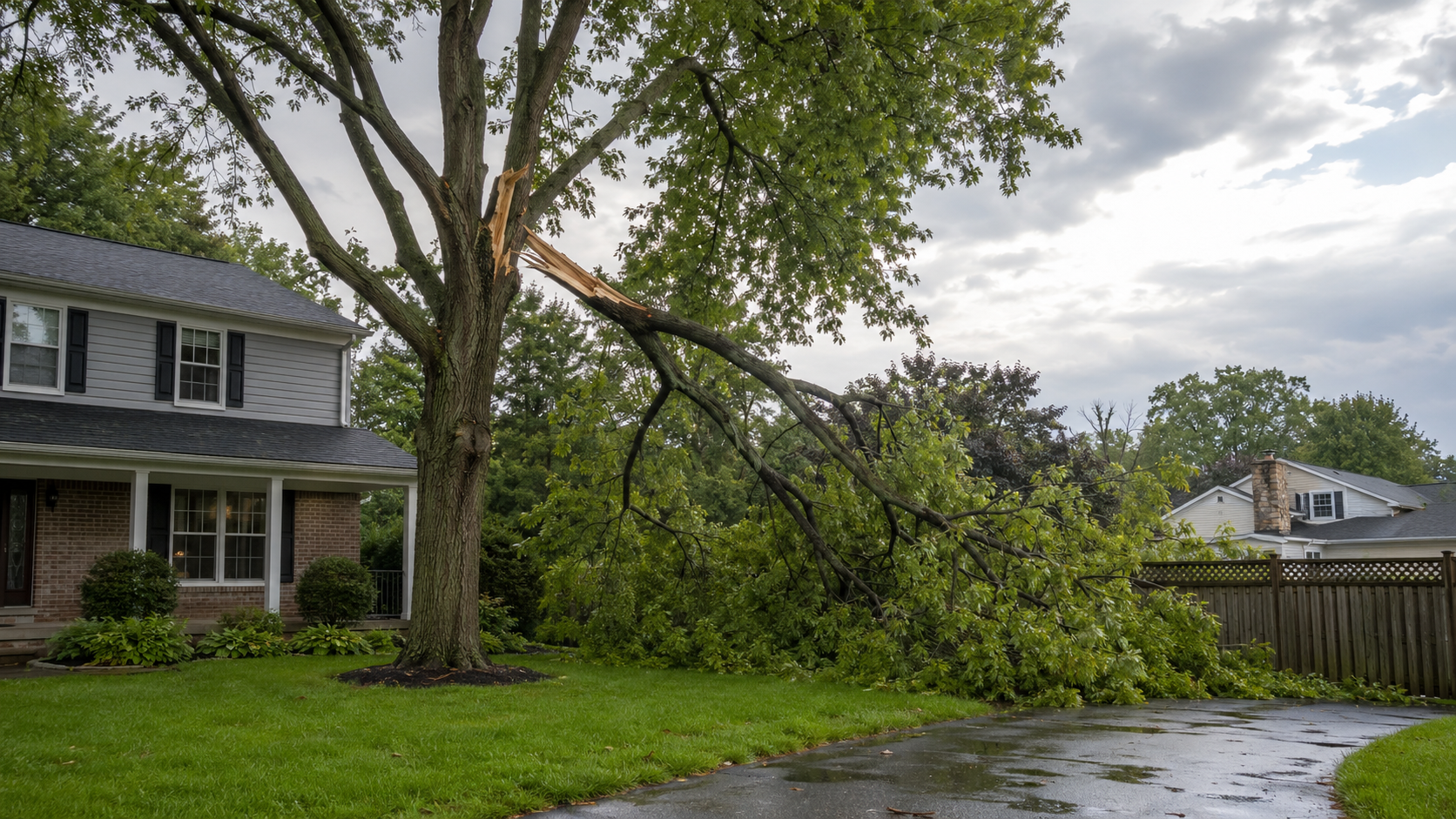
A tree that has split, partially fallen or become entangled with another tree can contain suspended weight and stored tension. These conditions can change suddenly when a branch is cut.
Homeowners should not pull on damaged limbs or attempt to remove sections themselves. Keep people, pets and vehicles away from the affected area until a professional can evaluate it.
Location is one of the largest scope factors
A tree in an open lawn generally provides more options than one positioned beside a home, garage, driveway or neighboring property.
When branches extend over a roof, the removal plan must protect shingles, gutters, siding, windows and exterior equipment. Sections may need to be lowered into a controlled area instead of falling freely.
Fences, retaining walls, patios and established landscape beds can further limit the work zone. Even when these features are not directly beneath the tree, they can affect where equipment is positioned and how debris is moved.
The estimate should reflect the tree’s actual surroundings, not simply the amount of wood being removed.
Property access determines the available equipment
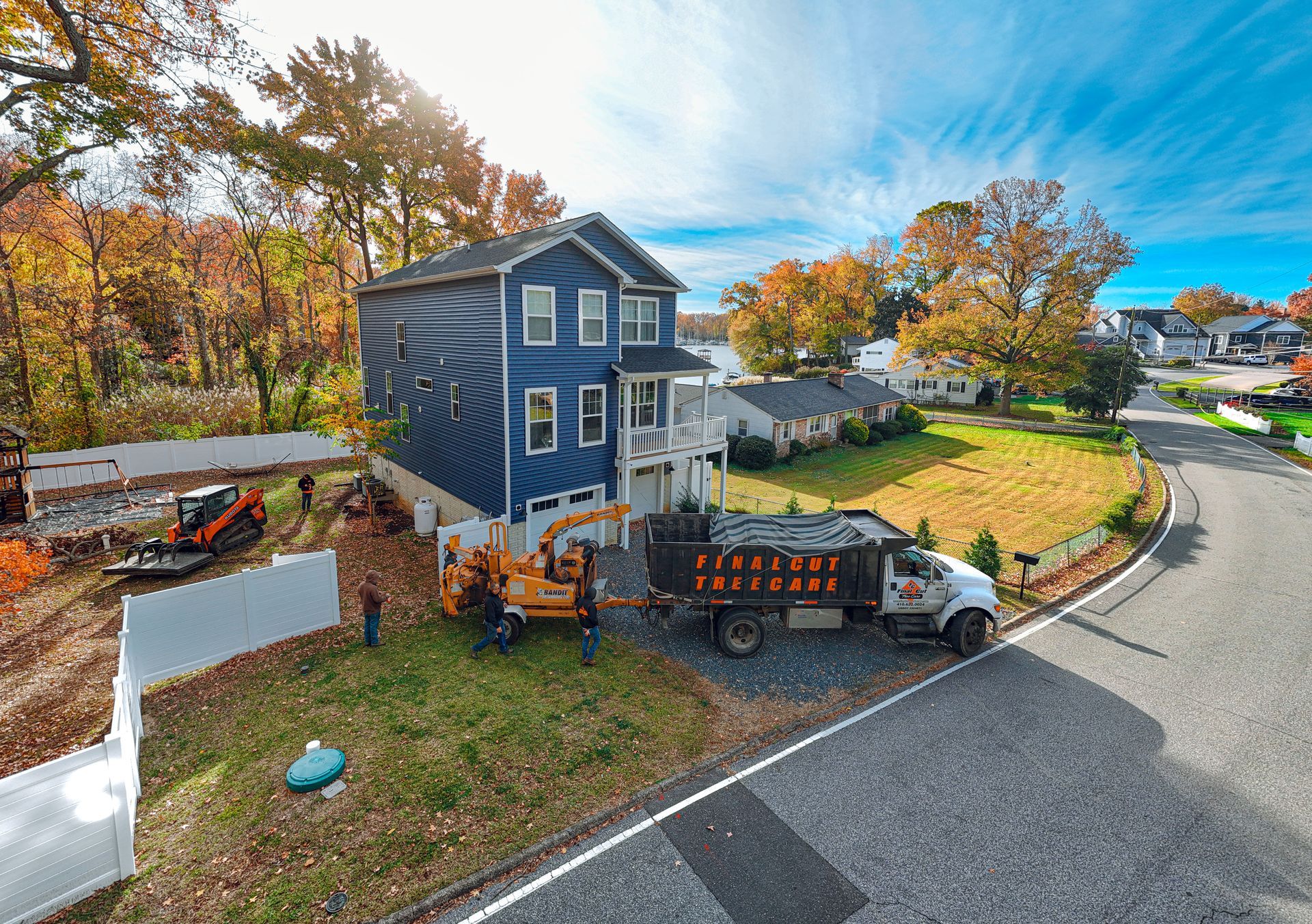
Access between the street and the tree can significantly affect the project. A wide driveway and open yard may accommodate equipment that cannot reach a fenced backyard or narrow side passage.
The contractor may need to consider gate and driveway width, slopes, soft ground, overhead obstacles and delicate landscaping along the access route. Irrigation or septic components should also be identified before equipment enters the property.
When equipment cannot reach the work area directly, branches and logs may need to be processed into smaller pieces and transported a greater distance.
Limited access does not necessarily prevent removal, but it can add labor and change the overall method.
Overhead and underground utilities require planning
Trees near overhead lines require special attention. Branches may conceal service lines when viewed from the ground, and the available clearance can influence equipment placement.
Underground utilities are also relevant when stabilizing equipment or planning stump grinding. Property owners should identify known utility locations, irrigation lines and other buried systems during the consultation.
The contractor can then determine whether additional coordination is required before the work begins. Utility questions should be resolved during planning rather than on the scheduled removal date.
Concerned about a damaged, declining or poorly positioned tree on your White Marsh property?
Contact Final Cut Landscape & Tree Care to request an on-site assessment of the tree, surrounding structures, equipment access and cleanup requirements.
Terrain and ground conditions influence site protection
Sloped, wet or unstable ground can affect where crews and equipment operate. Soil conditions may also determine whether heavy equipment can reach the tree without creating unnecessary lawn damage.
Properties near drainage areas may have softer ground or access limitations after extended rain. Retaining walls, changes in elevation and narrow driveways can create additional positioning considerations.
Mention recent excavation, drainage work or newly installed landscaping during the consultation. This allows the contractor to account for vulnerable areas when planning the access route and work zone.
If weather changes the ground conditions before the service date, the project may need to be reevaluated.
Debris handling changes the total scope
A complete tree removal can produce branches, logs, wood chips and smaller debris. The estimate should explain what happens to each type of material.
Some homeowners want all material removed from the property. Others may want usable logs or wood chips left in a designated location. These decisions affect processing, hauling and final cleanup.
The proposal should specify whether it includes branch and debris removal, log processing, wood-chip placement and final cleanup. Clear expectations prevent disagreements about what the quoted price covers.
Final Cut also offers woodchip sales and delivery for property owners planning landscaping or ground-cover projects.
Stump grinding is a separate project decision
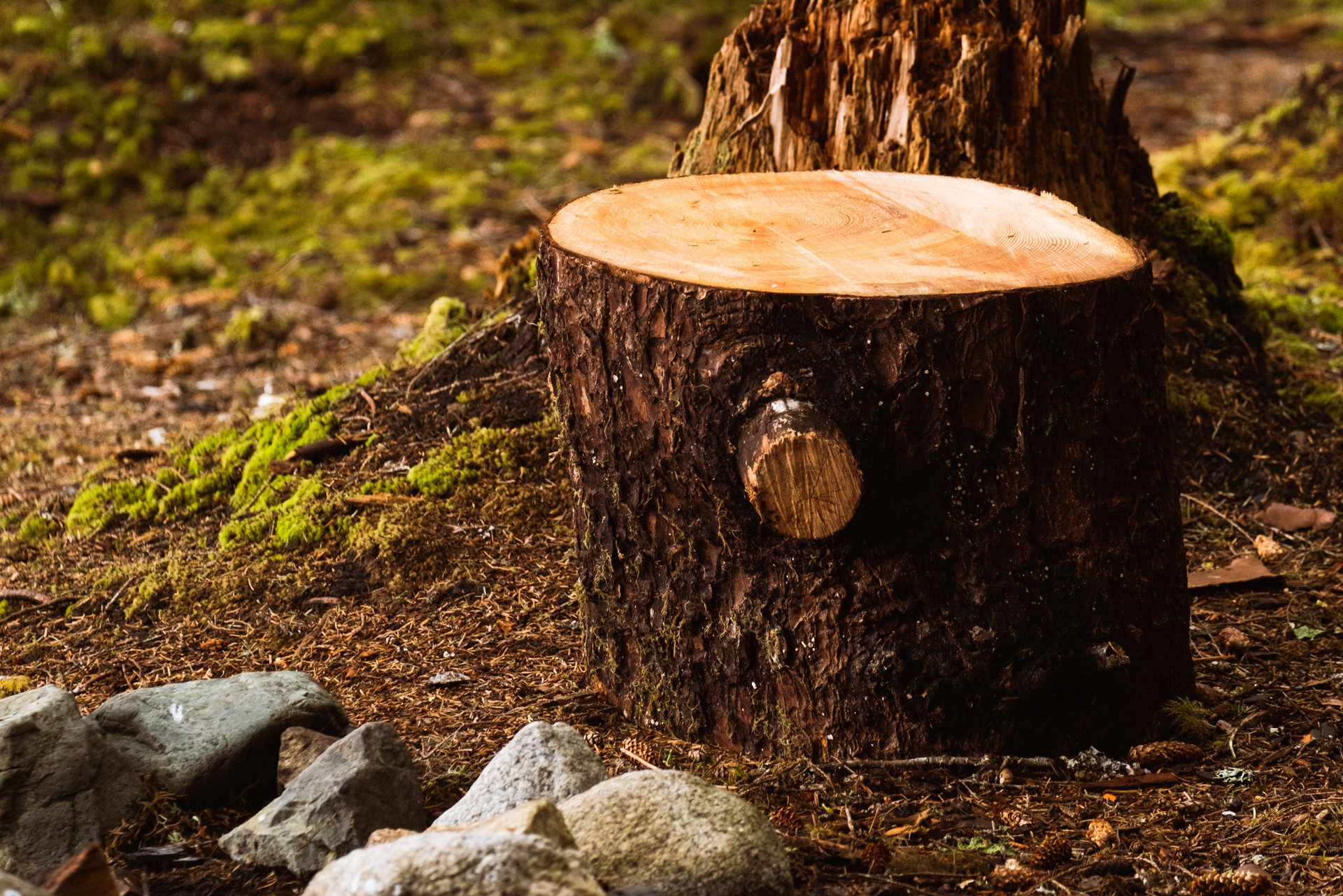
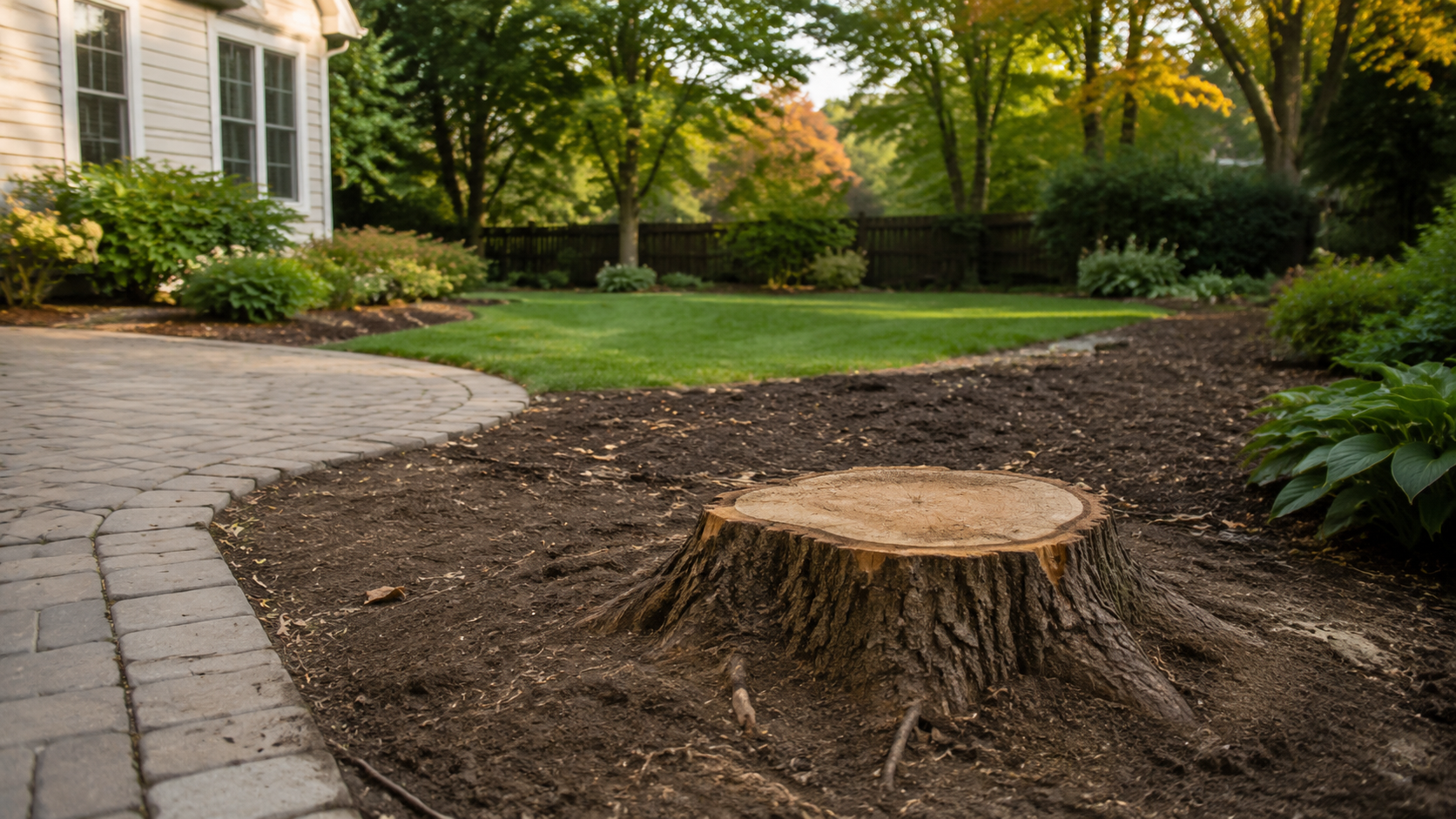
Removing the visible tree does not automatically eliminate the stump. In many cases, the trunk is cut close to ground level, leaving the stump and root flare in place.
The appropriate next step depends on how the area will be used. A stump may interfere with mowing, planting, lawn restoration, walkways or future landscape construction.
Adding professional stump removal can help prepare the space for its next use. However, stump work has its own scope factors, including diameter, location, access and proximity to underground utilities.
Homeowners should discuss stump grinding during the initial assessment rather than treating it as an automatic part of tree removal. Coordinating both services can provide a clearer plan for the complete area.
Emergency service and planned removal are different projects
A planned removal allows time to inspect the site, coordinate access and schedule the required crew and equipment. Emergency work may involve a fallen tree, blocked driveway, damaged structure or changing hazard that requires a faster response.
Urgent conditions can influence labor, timing and removal strategy. Work completed after a storm may also involve unstable branches, damaged structures or restricted access that would not be present during a routine project.
If there is an immediate concern, use Final Cut’s emergency tree service rather than waiting for a standard appointment. Keep people away from the affected area while assistance is arranged.
What should a tree removal estimate explain?
A useful proposal should identify the tree or trees included and the principal removal method. It should also clarify access assumptions, debris handling, stump work and final cleanup.
Ask whether the estimate accounts for nearby structures, utility coordination and protection of the surrounding landscape. If lawn repair or other restoration work is not included, that responsibility should be clear before the project begins.
Homeowners should compare proposals based on scope rather than price alone. A lower estimate may exclude hauling, stump grinding or another component included elsewhere.
The proposal should also explain how unexpected conditions will be handled if concealed decay or another site issue becomes visible during the work.
Prepare the property before removal day
Once the project is scheduled, confirm which sections of the property need to remain clear. Vehicles, patio furniture, grills, planters and portable decorations should be moved away from the work zone.
Keep children and pets indoors or in another secure area. Do not enter the controlled work area while branches or equipment are being moved.
Open required gates and resolve any neighboring access arrangements before the crew arrives. If landscaping, irrigation components or other property features need protection, identify them during the pre-work review.
Good preparation helps the project follow the approved plan without avoidable interruptions.
Review the site after the removal
When the work is complete, verify that the trees listed in the proposal have been addressed and that the agreed debris has been removed or placed in the designated area.
If stump grinding was included, review the treated area and ask what material remains below grade. Discuss any next steps required before planting grass, installing landscaping or beginning another outdoor project.
Keep the estimate, approved changes and invoice with the property records. This documentation can be useful when planning future tree care or landscape work.
Plan tree removal in White Marsh with Final Cut
Tree removal costs reflect the complete project: tree size, structural condition, location, equipment access, utilities, terrain, debris handling and stump decisions.
Evaluating these factors on the property produces a more accurate scope than relying on tree height alone. It also gives homeowners a clearer understanding of what is included and how the surrounding landscape will be managed.
Final Cut Landscape & Tree Care provides professional tree removal and tree trimming in White Marsh, MD, along with stump removal, emergency tree service and landscaping solutions.
Request an estimate from Final Cut
Related tree-care resources
Stay in the know
Sign up to get insights, trends, and more in your inbox.
Contact Us
We will get back to you as soon as possible.
Please try again later.
SHARE THIS