Stump Removal Before Fall Landscaping: When It Helps the Next Project
By • August 12, 2026
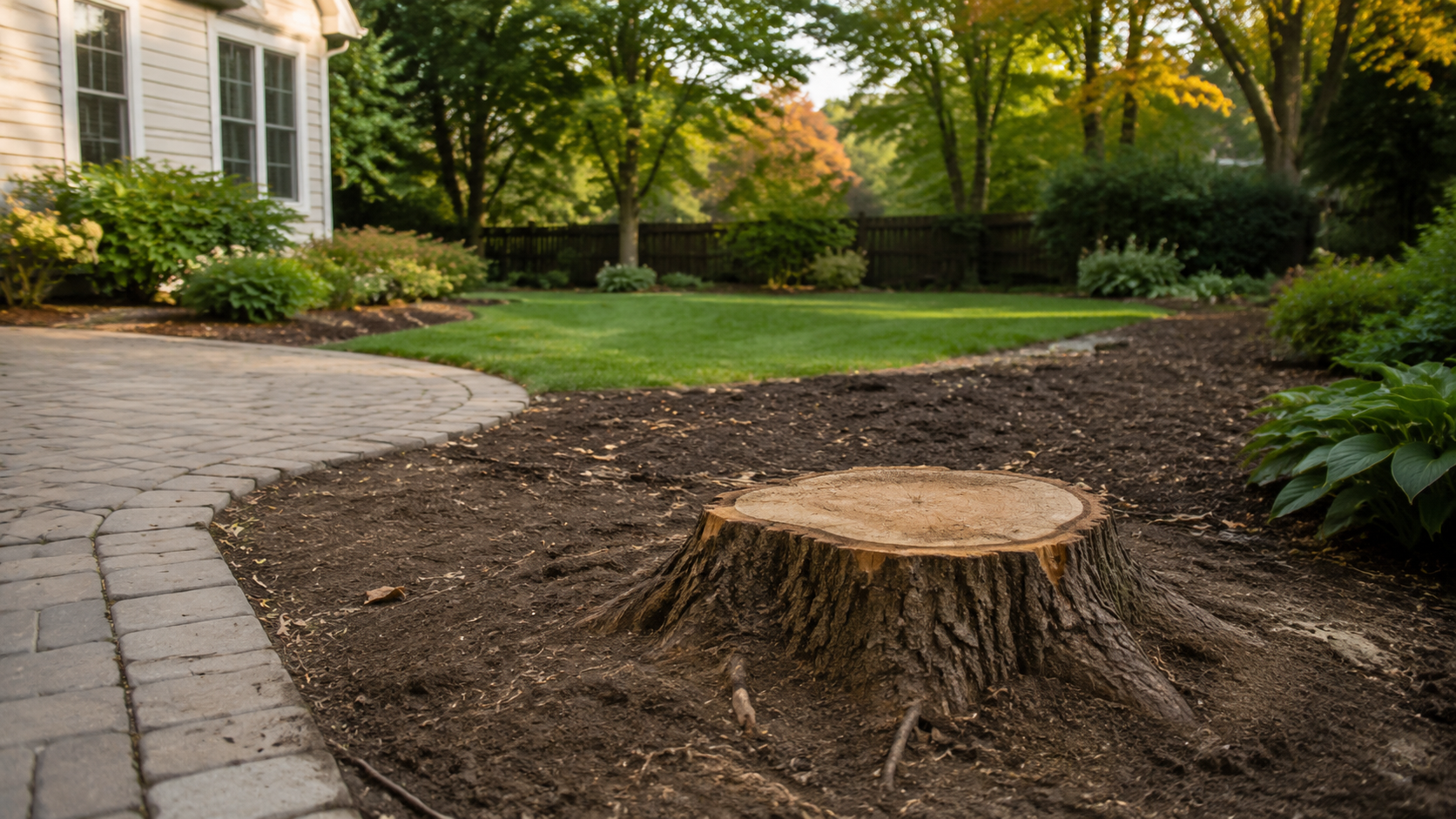
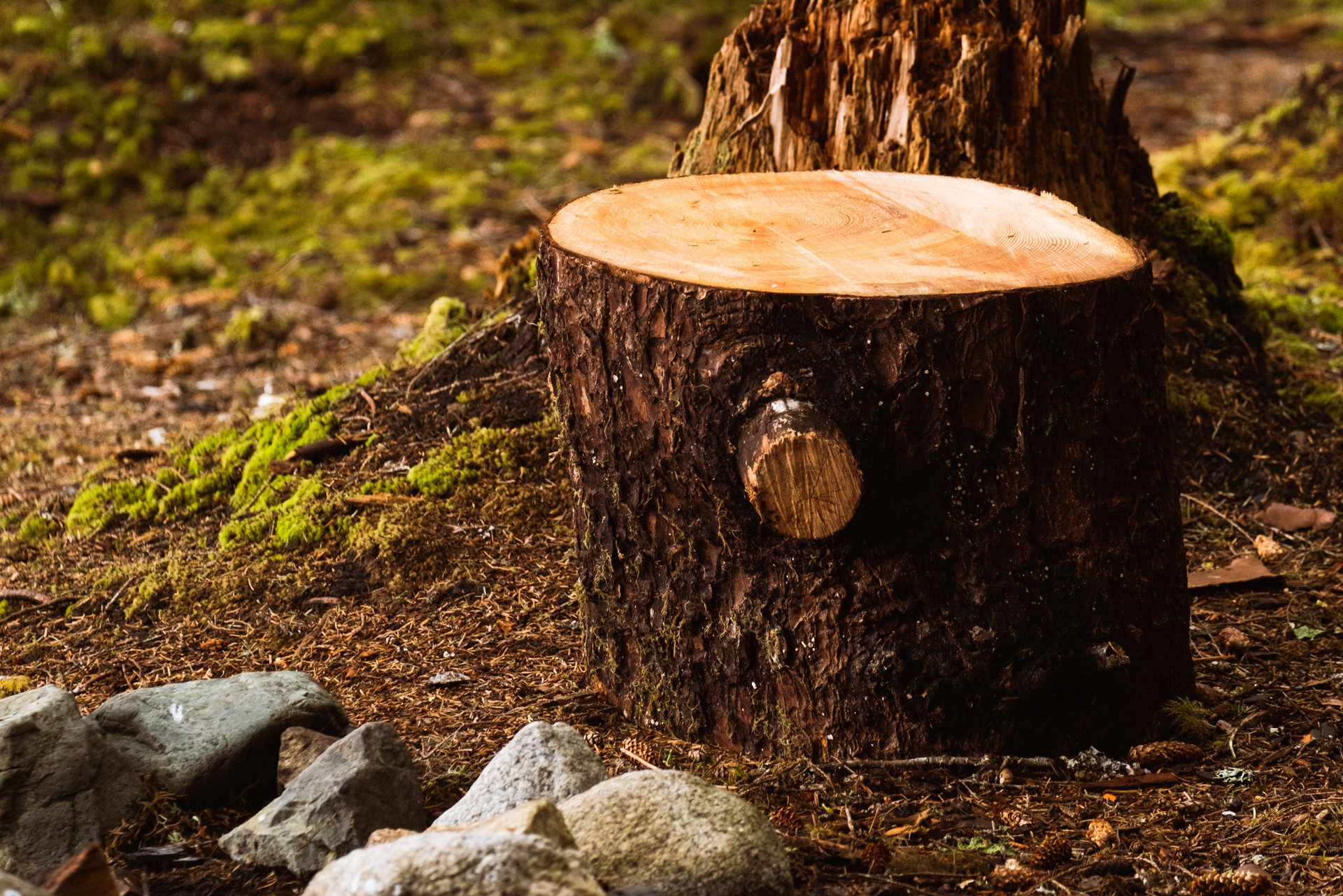
A tree may be gone, but its stump can continue influencing how the surrounding yard looks, drains, and functions. This becomes especially noticeable when property owners begin planning fall improvements such as new grass, planting beds, walkways, or a redesigned outdoor area.
Removing every stump immediately is not always necessary. However, when the remaining wood or root flare occupies the exact area needed for the next project, scheduling professional stump removal before landscaping begins can make site preparation more straightforward.
The important question is not simply whether a stump looks unattractive. It is whether that stump conflicts with how the space will be graded, planted, maintained, or used.
Why fall landscaping plans may change the decision
Early fall can offer comfortable working conditions and a practical window for certain lawn and landscape improvements in Maryland. Property owners may use this season to repair worn turf, refresh planting beds, improve curb appeal, or prepare outdoor spaces for the following spring.
A stump that seemed harmless during summer may become a clear obstacle once the new layout is established. It can interrupt a bed line, reduce usable lawn space, interfere with mowing, or occupy an area intended for another feature.
Planning stump removal and landscaping as connected stages helps reduce the possibility of completing new work around an obstruction that will need to be addressed later.
When stump removal can help the next project
The strongest reason to remove a stump before landscaping is that it directly conflicts with the intended use of the area.
When restoring the lawn
Grass restoration generally requires a reasonably level surface and suitable soil conditions. A stump, exposed roots, or a depression around the former tree can make the area difficult to grade and maintain.
Grinding the stump does not automatically make the location ready for seed or sod. The resulting area may still require debris removal, appropriate fill, soil preparation, and grading.
Coordinating these steps with a professional landscaping company can help create a more consistent transition between the former tree location and the surrounding lawn.
When installing a planting bed
A former tree location may appear to be a natural place for shrubs or seasonal color, but the remaining underground material can affect the available planting space. The size of the root system, the depth required for new plants, sunlight exposure, drainage, and the mature size of the proposed landscaping all matter.
Small ornamental plantings may have different requirements than larger shrubs or a replacement tree. Before choosing plants, determine how the stump area will be prepared and whether the remaining roots limit the design.
When changing walkways or usable yard space
A stump near a walkway, patio edge, driveway, play area, or frequently traveled section of the yard may affect more than appearance. It can interrupt the intended layout or create an uneven transition within the landscape.
If a future project depends on excavation, grading, or a stable base, the contractor should evaluate the stump location before construction begins. Removing visible wood is only one part of preparing the area. The requirements will depend on what will be installed above or beside it.
Is stump grinding the same as removing every root?
Not necessarily. Stump grinding typically reduces the visible stump and part of the wood below grade, but roots may remain underground and decompose over time. The appropriate depth and cleanup plan depend on the location and its future use.
For example, preparation for a lawn repair may differ from preparation for a walkway, planting area, or built landscape feature. This is why Final Cut should know what you intend to do with the space, not only that you want the stump gone.
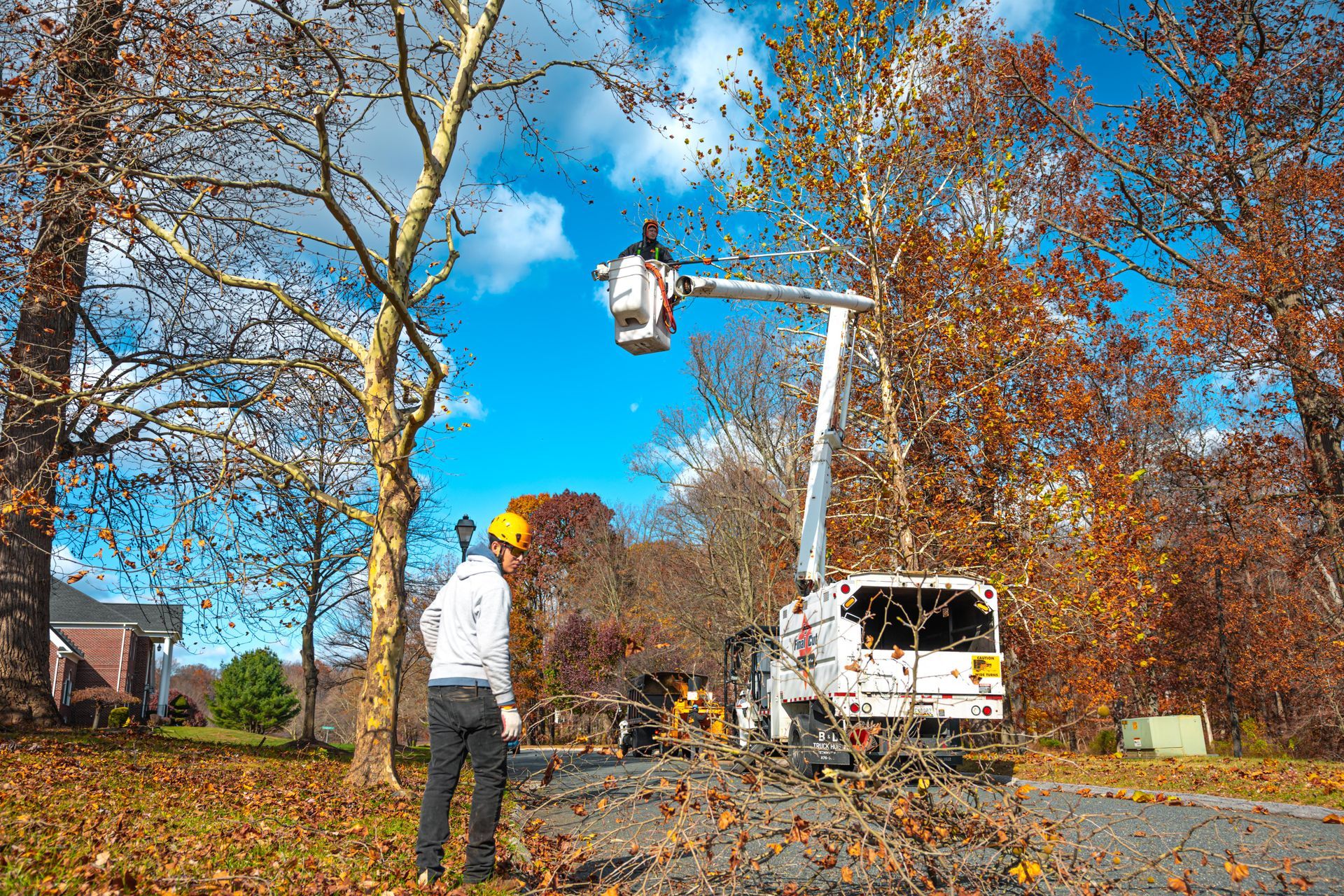
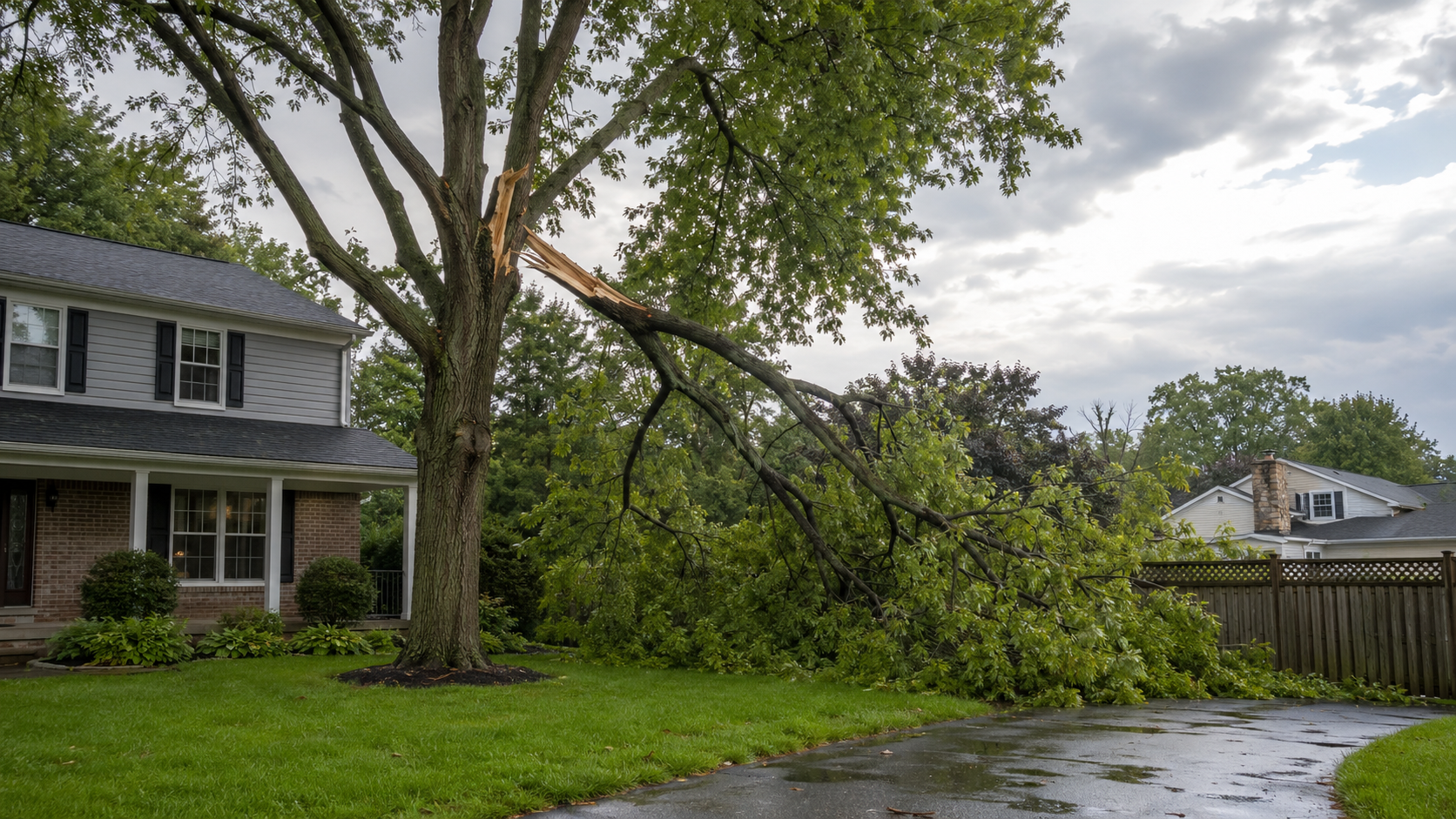
If the tree itself has not yet been removed, coordinating professional tree removal with stump and landscape planning may also reduce delays between project stages.
Planning fall improvements around an old stump?
Request a stump removal estimate from Final Cut before finalizing the new layout.
What should property owners evaluate before scheduling the work?
Begin with the next project rather than the stump alone. Consider where the new lawn, plants, edging, walkway, or other improvement will be located and how much ground preparation it requires
Access is also important. Stump-grinding equipment must reach the work area, and gates, slopes, fences, delicate plantings, or narrow side yards may affect the approach. Identifying these conditions before new landscape materials arrive helps protect completed work and makes scheduling easier.
Underground utilities and private features also require attention. Irrigation components, landscape-lighting lines, invisible fencing, drainage systems, and other buried elements may be close to the work area. Property owners should communicate known site features before work begins, and applicable utility-location procedures should be followed.
Finally, ask how the grindings, depression, and surrounding grade will be handled. A complete plan should clarify what the stump service includes and what preparation the subsequent landscaping project will require.
Should a stump always be removed before fall?
No. If the stump is located outside the project area and does not affect access, maintenance, drainage, or the proposed design, removal may not be an immediate priority.
Timing becomes more important when crews or equipment would otherwise need to cross newly seeded areas, finished planting beds, or installed hardscaping to reach it later. Completing disruptive work first can help protect the investment in the next phase.
A site evaluation can determine whether removal should happen before landscaping, during the same project sequence, or at another time.
Build the landscaping plan in the right order
Successful yard restoration depends on sequencing. When stump removal is needed, it generally makes sense to address the obstruction before installing materials that could restrict access or be disturbed by the work.
Afterward, the area can be evaluated for grading, soil preparation, drainage, and its intended use. This creates a clearer starting point for professional landscaping services, whether the goal is a restored lawn, new plantings, improved bed lines, or a more functional yard.
The stump should not dictate the entire design. Addressing it at the appropriate stage allows the new project to respond to the property as it exists today.
Prepare your property for its next season
If an old stump is standing between your yard and the next landscaping project, Final Cut Landscape & Tree Care can evaluate the site, access requirements, intended use, and appropriate project sequence.
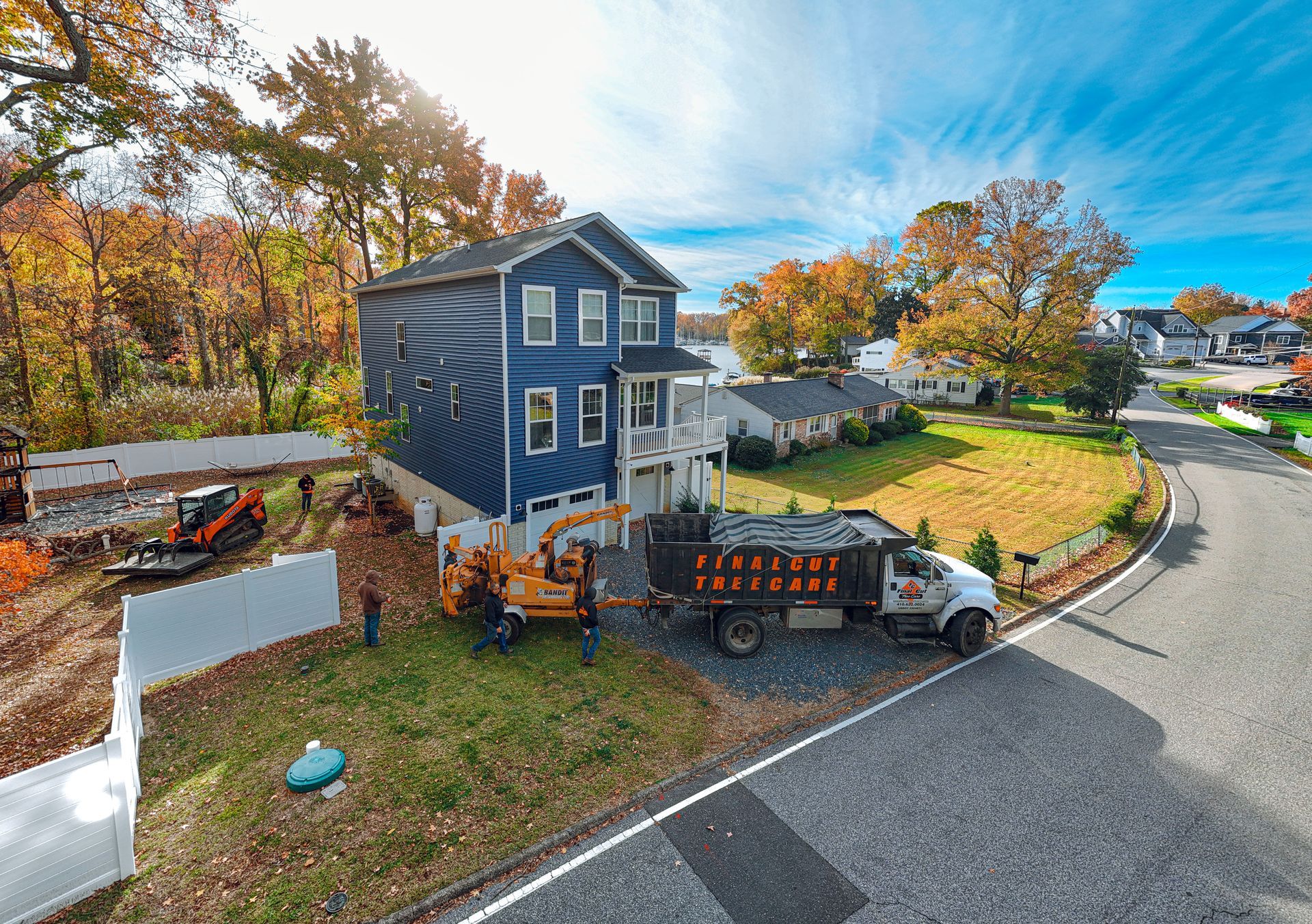
Final Cut serves properties throughout Maryland and Southern Pennsylvania with complementary tree services and landscaping solutions.
Stay in the know
Sign up to get insights, trends, and more in your inbox.
Contact Us
We will get back to you as soon as possible.
Please try again later.
SHARE THIS