Tree Removal vs Tree Trimming: What’s the Right Choice for Your Property in Maryland?
By Valeria Barraza • May 27, 2026
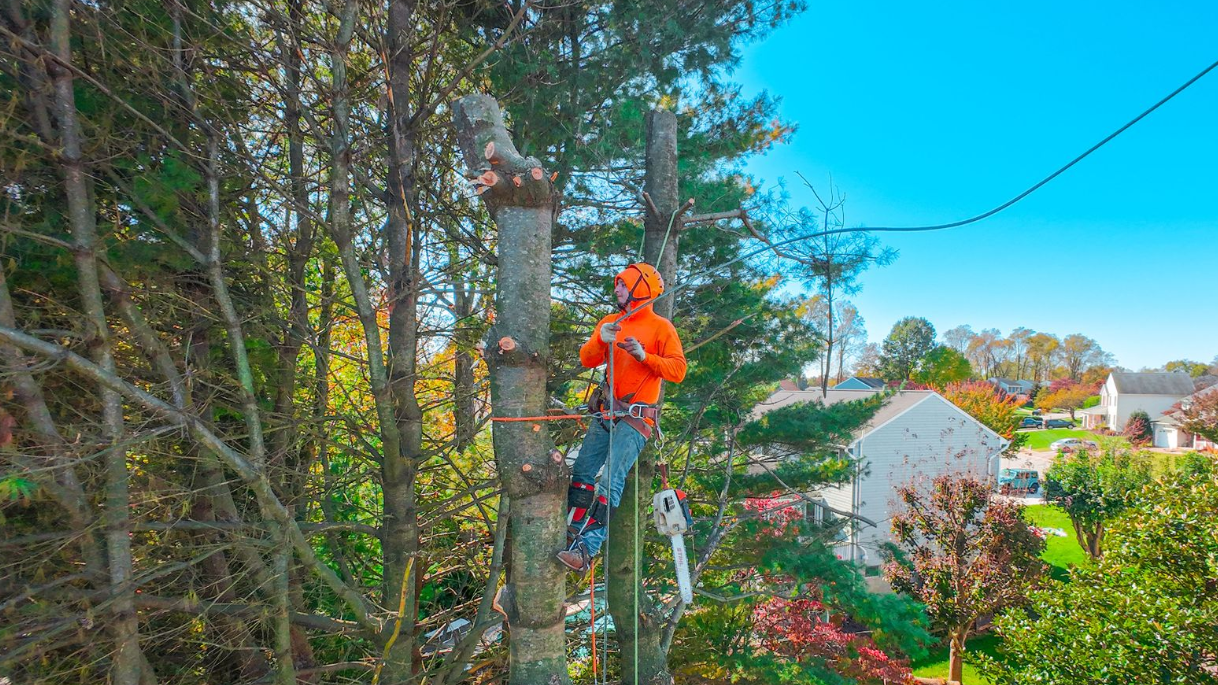
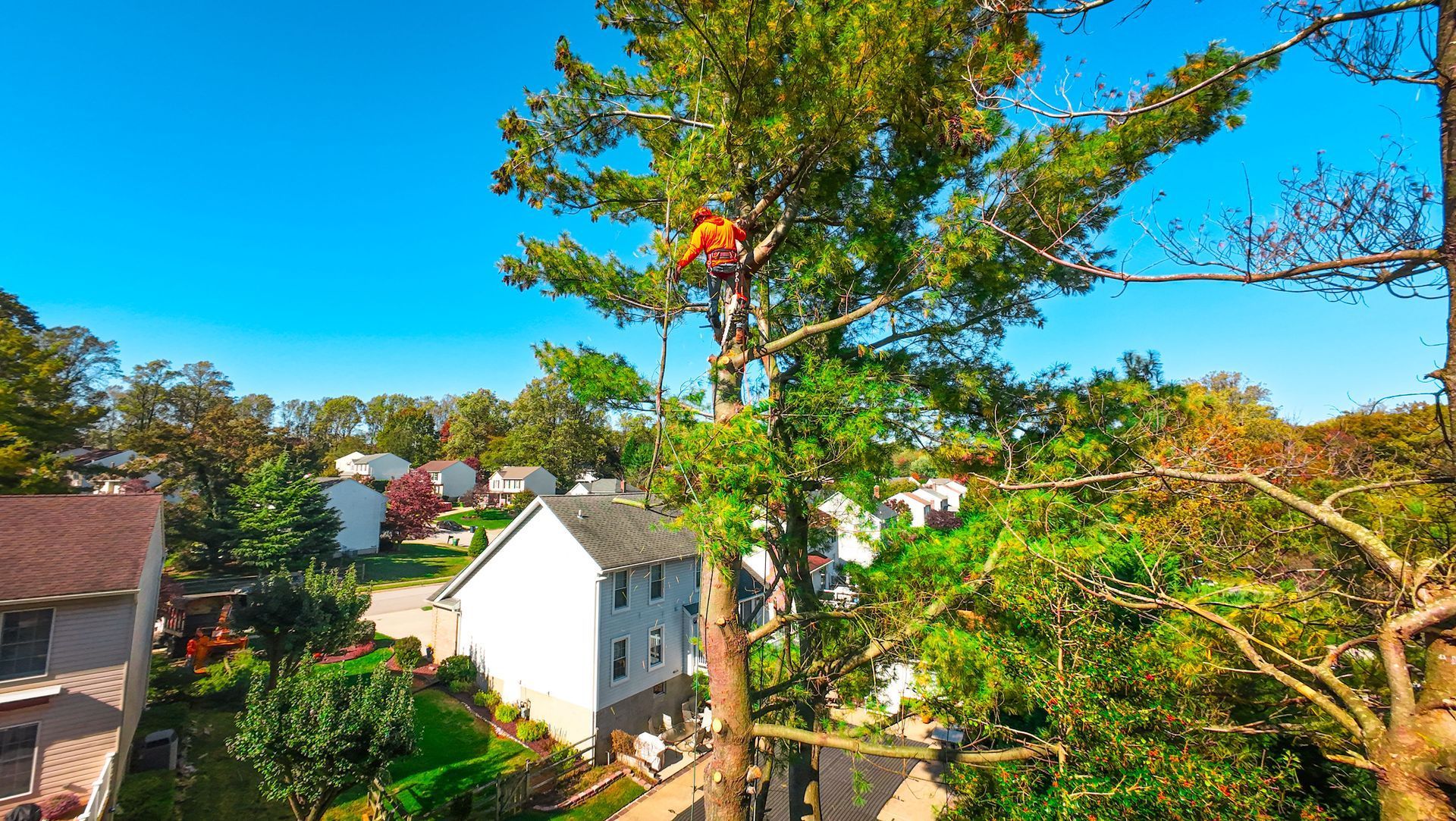
Choosing between tree removal vs tree trimming depends on the tree’s condition, location, structure, and safety risk. Trimming is usually best when a tree is healthy but overgrown, unbalanced, or interfering with the property. Removal is usually safer when a tree is dead, unstable, severely damaged, or too close to a structure to remain practical long term.
In Maryland, trees face heavy rain, strong seasonal winds, dense residential lots, and mature root systems that can shift over time. Final Cut Landscape & Tree Care helps property owners make the right call by looking at the whole situation, not just one visible branch.
Tree Removal vs Tree Trimming: The Core Difference
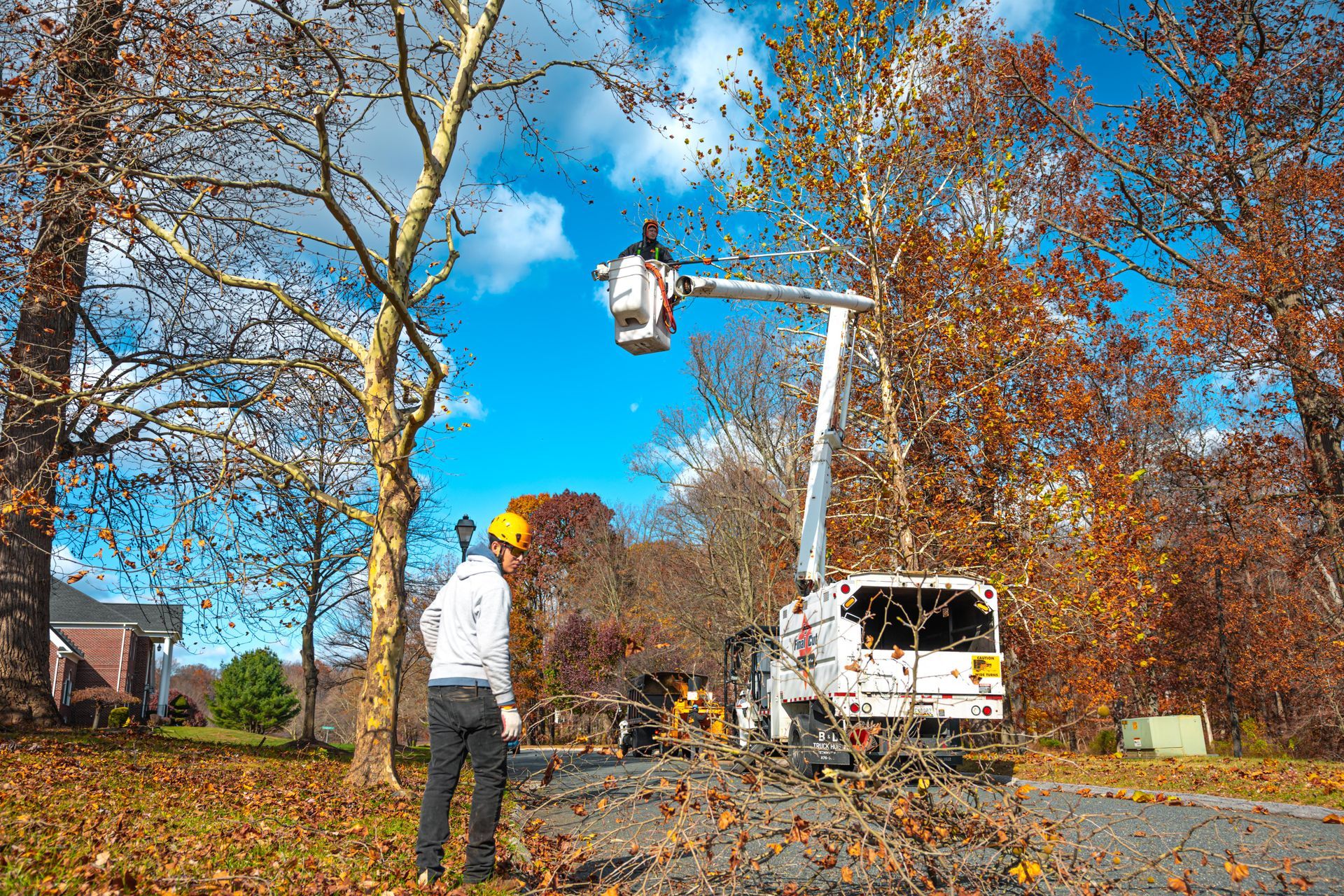
Tree trimming focuses on managing growth. It can reduce branch weight, improve clearance, remove dead limbs, and help the tree grow in a safer direction. Trimming works best when the tree still has a solid trunk, stable roots, and enough healthy canopy to recover well.
Tree removal means the tree can no longer stay safely or practically in place. This may be due to decay, storm damage, root failure, trunk cracks, or a location that creates ongoing property risk.
| Situation | Trimming May Be Enough | Removal May Be Safer |
|---|---|---|
| Branches are close to the roof | Tree is healthy and limbs can be reduced | Tree leans toward the home |
| Deadwood is visible | Dead limbs are limited | Most of the canopy is declining |
| Storm damage occurred | Small limbs broke | Trunk is split or cracked |
| Tree affects access | Branches block walkways or parking | Trunk or roots create permanent obstruction |
When Removal Is the Better Decision
Trimming is the right choice when the tree is worth preserving and the risk can be corrected with selective cuts. This is common on Maryland properties where mature trees provide shade but begin crowding roofs, driveways, fences, or outdoor living areas.
Final Cut Landscape & Tree Care looks at how the branches are growing, how much weight the canopy carries, and whether pruning will improve safety without weakening the tree. Proper tree pruning in Maryland is not just cutting branches shorter. It requires understanding where to reduce growth and where to leave structure intact.
Trimming may be the better option when:
- The trunk appears stable.
- The main problem is overextended branches.
- Dead limbs are limited to one area.
- The tree still produces healthy seasonal growth.
- Clearance can be improved without major structural cuts.
If your tree is healthy but creating clearance problems, Final Cut Landscape & Tree Care can help reduce risk through tree trimming services.
When Removal Is the Better Decision
The question of when to remove a tree usually becomes serious when the tree can no longer be managed safely with pruning. A tree with internal decay, root movement, a severe lean, or a split trunk may continue to decline even after trimming.
Removal is also worth considering when a tree repeatedly drops large limbs, grows too close to a foundation, or creates a safety concern near parking areas, sidewalks, entrances, or commercial access points. On smaller Maryland lots, there may not be enough space for a compromised tree to remain without threatening nearby structures.
Final Cut Landscape & Tree Care may recommend removal when the risk is structural instead of cosmetic. If the tree is no longer safe to keep, property owners can plan controlled removal through
Tree Removal.
Tree Health Signs That Should Not Be Ignored
Some tree health signs are easy to overlook because they develop slowly. Sparse leaf growth, peeling bark, fungus near the base, cracks in the trunk, and dead limbs high in the canopy can all point to deeper stress.
A single symptom does not always mean the tree must come down. The concern is how several signs appear together. For example, a tree with dead branches and fungus near the base deserves closer attention than a tree with one broken limb from a recent storm.
Final Cut Landscape & Tree Care evaluates these signs in context. A declining tree far from activity may be less urgent than one beside a driveway, roofline, storefront, or shared walkway.
What Happens After Tree Work Matters Too
The decision does not end with trimming or removal. After trimming, the property may need cleanup and seasonal maintenance so branches, debris, and overgrowth do not continue affecting the yard. After removal, the stump can become a mowing obstacle, trip hazard, or unfinished area in the landscape.
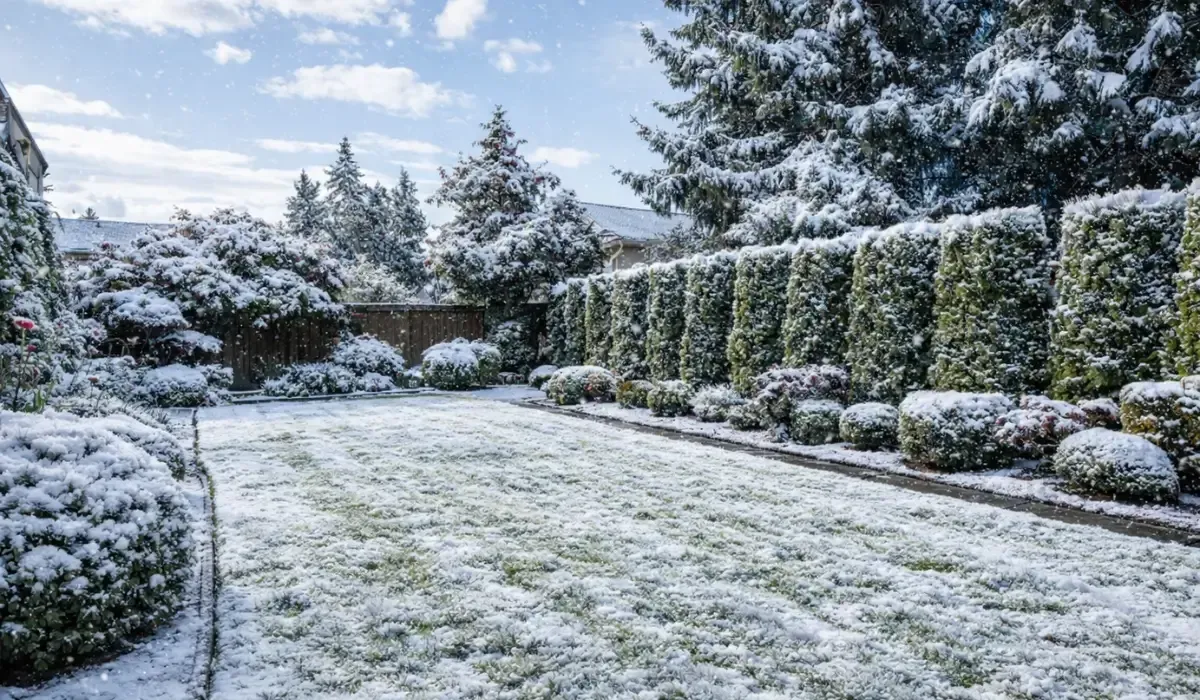
For homeowners who want the yard to look complete after major tree work, Final Cut Landscape & Tree Care can help restore usable outdoor space through landscaping services.
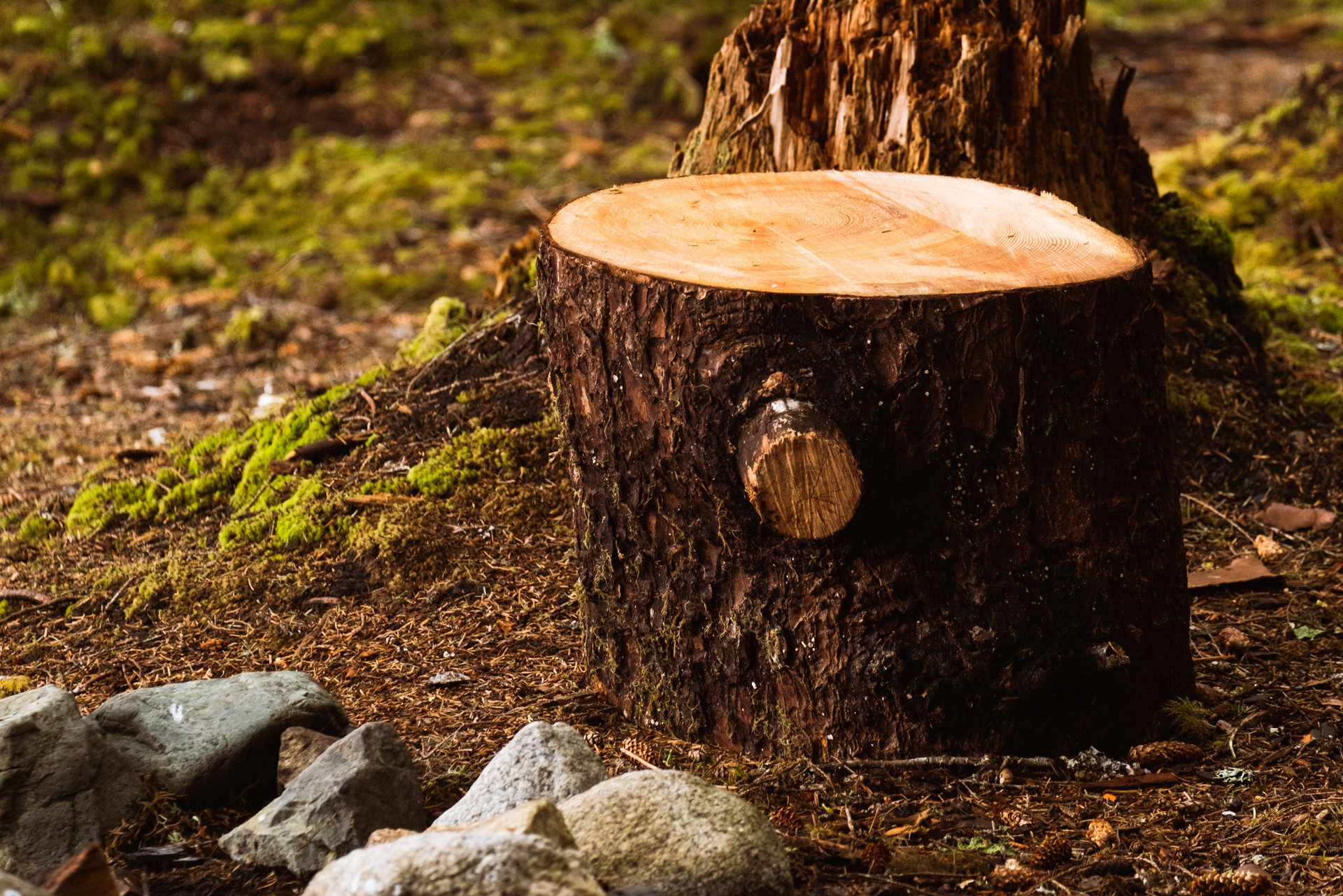
If removal leaves a stump behind, finishing the area with grinding can make the lawn safer and easier to maintain. Once the tree is down, the next practical step may be Stump Grinding.
How to Make the Right Choice for Your Maryland Property
The best choice depends on safety, tree condition, property layout, and long-term maintenance. A healthy tree with manageable branch issues should not be removed without reason. A failing tree should not be trimmed repeatedly if the real issue is structural decline.
A professional tree service in Maryland should explain what can be preserved, what creates risk, and what work makes sense for the property. Final Cut Landscape & Tree Care focuses on practical recommendations, clean workmanship, and licensed and insured service for both residential and commercial properties.
If you are unsure whether your tree needs trimming or removal, contact Final Cut Landscape & Tree Care for a professional assessment before the next storm season creates a larger problem.
Frequently Asked Questions
How do I know if a tree needs trimming instead of removal?
Trimming may be enough if the tree is healthy, stable, and mainly has overgrown or dead branches. Removal may be needed if the trunk, roots, or overall structure show serious decline.
Can trimming fix a tree that is leaning?
Trimming may reduce some branch weight, but it does not always correct a leaning tree. If the lean is caused by root movement, decay, or soil instability, removal may be safer.
Should I remove the stump after tree removal?
Stump grinding is recommended when the stump affects mowing, creates a trip risk, attracts pests, or keeps the area from being reused for lawn or landscaping.
Stay in the know
Sign up to get insights, trends, and more in your inbox.
Contact Us
We will get back to you as soon as possible.
Please try again later.
SHARE THIS