Storm Damaged Trees and Property Safety Concerns
By Final Cut • June 24, 2026
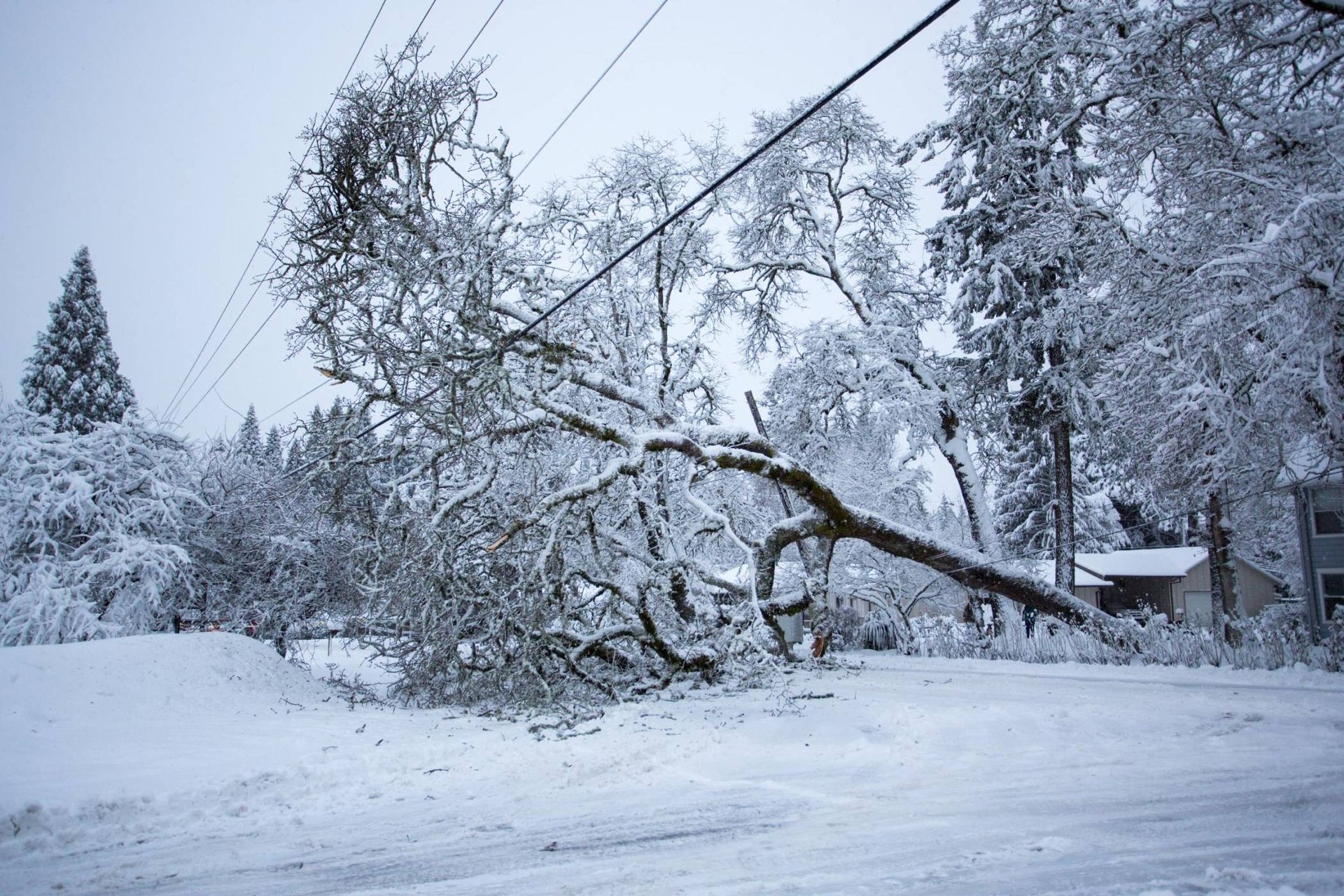
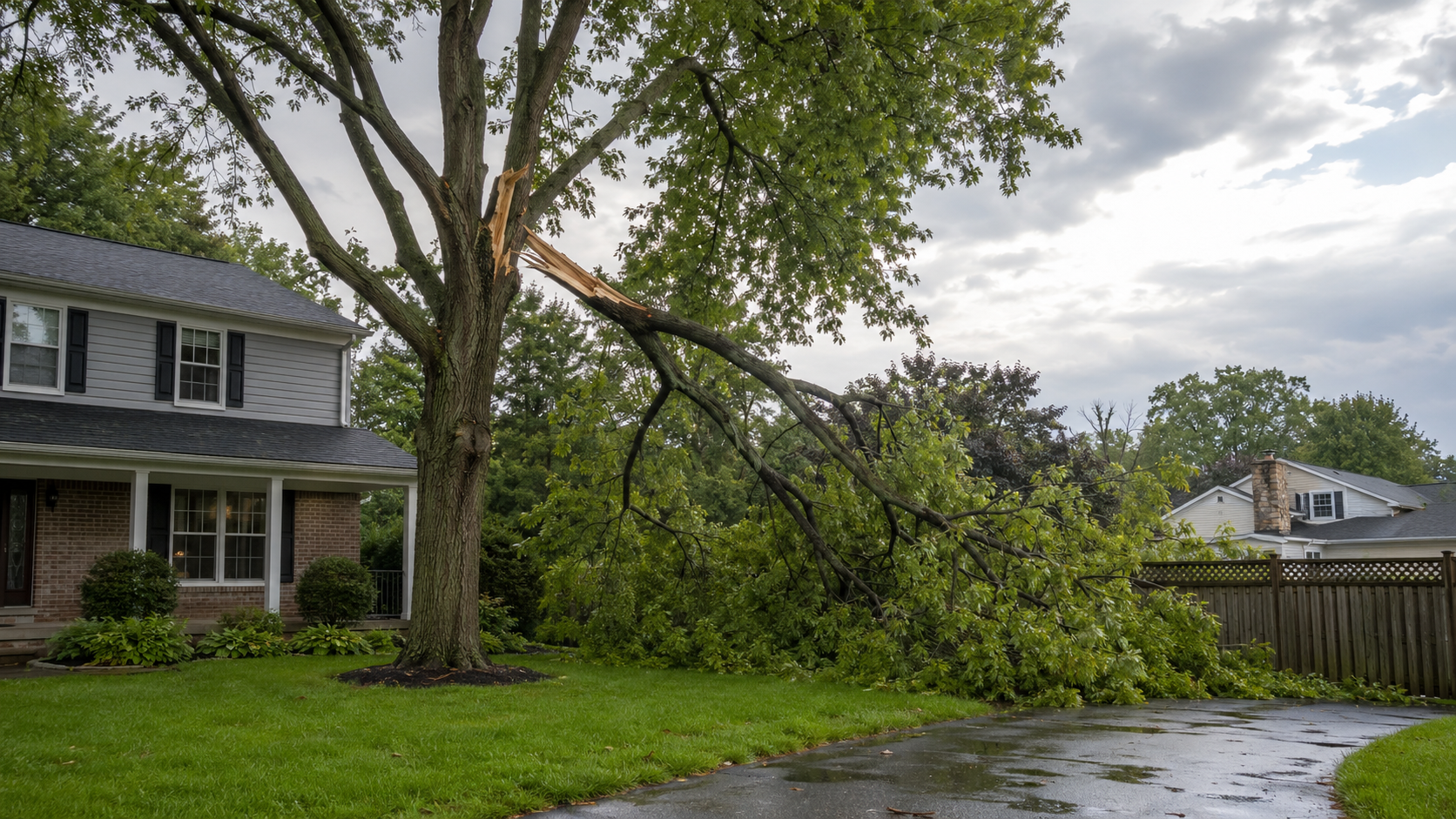
Storm damaged tree removal is often needed when wind, heavy rain, or saturated soil leaves a tree unstable near a home, driveway, fence, or commercial property. Some storm damage is visible right away, such as broken limbs or fallen trunks. Other damage is harder to see, especially when roots shift underground or cracks form inside the tree.
In Maryland, seasonal storms can weaken mature trees that already carry heavy canopies or grow close to structures. Final Cut Landscape & Tree Care helps property owners identify when storm damage can be managed with trimming and when tree removal is the safer choice.
Why Storm Damage Should Be Checked Quickly
A damaged tree can continue to move after the storm has passed. Wet soil, branch weight, and hidden trunk stress can make the tree less stable over the next few hours or days. This is why waiting too long can increase the risk of falling limbs or sudden tree failure.
Homeowners should be especially cautious when a tree is close to a roof, garage, driveway, sidewalk, or neighboring property. For commercial sites, storm damage near entrances, parking areas, signage, or pedestrian paths should be addressed before regular traffic resumes.
Final Cut Landscape & Tree Care evaluates both the tree and the space around it. This helps determine whether the issue requires cleanup, pruning, or full removal through Tree Removal Service.
Warning Signs That a Storm Damaged Tree May Be Unsafe
A healthy-looking Not every broken branch means a tree must come down. The concern is whether the storm affected the tree’s structure or its ability to remain stable.
Property owners should look for:
- A new lean after the storm.
- Cracks running through the trunk or major limbs.
- Large branches hanging over active areas.
- Soil lifting or roots exposed near the base.
- The tree resting on another tree, roof, or structure.
These warning signs can point to deeper instability. A licensed tree service can inspect the damage and explain whether trimming is enough or whether removal is the safer option.
When Tree Removal Is the Safer Choice
Tree removal is often necessary when storm damage affects the trunk, root system, or main support limbs. If a tree is split, uprooted, or leaning toward a structure, trimming small branches will not solve the underlying risk.
Maryland properties with older trees may be especially vulnerable after repeated storms. A tree that survived past weather events can still become unsafe if decay, saturated soil, or wind pressure weakens it over time.
Final Cut Landscape & Tree Care may recommend removal when keeping the tree creates more risk than value. In urgent situations, emergency tree service may be needed to secure the area and prevent additional damage.
When Trimming or Cleanup May Be Enough
Some storm damage can be handled without removing the full tree. If the trunk is stable and the damage is limited to select branches, trimming may restore safer clearance and reduce unnecessary weight in the canopy.
This approach can be helpful when limbs break near a roofline, fall across a yard, or create a hazard over a driveway. Proper trimming removes the damaged sections without weakening healthy parts of the tree.
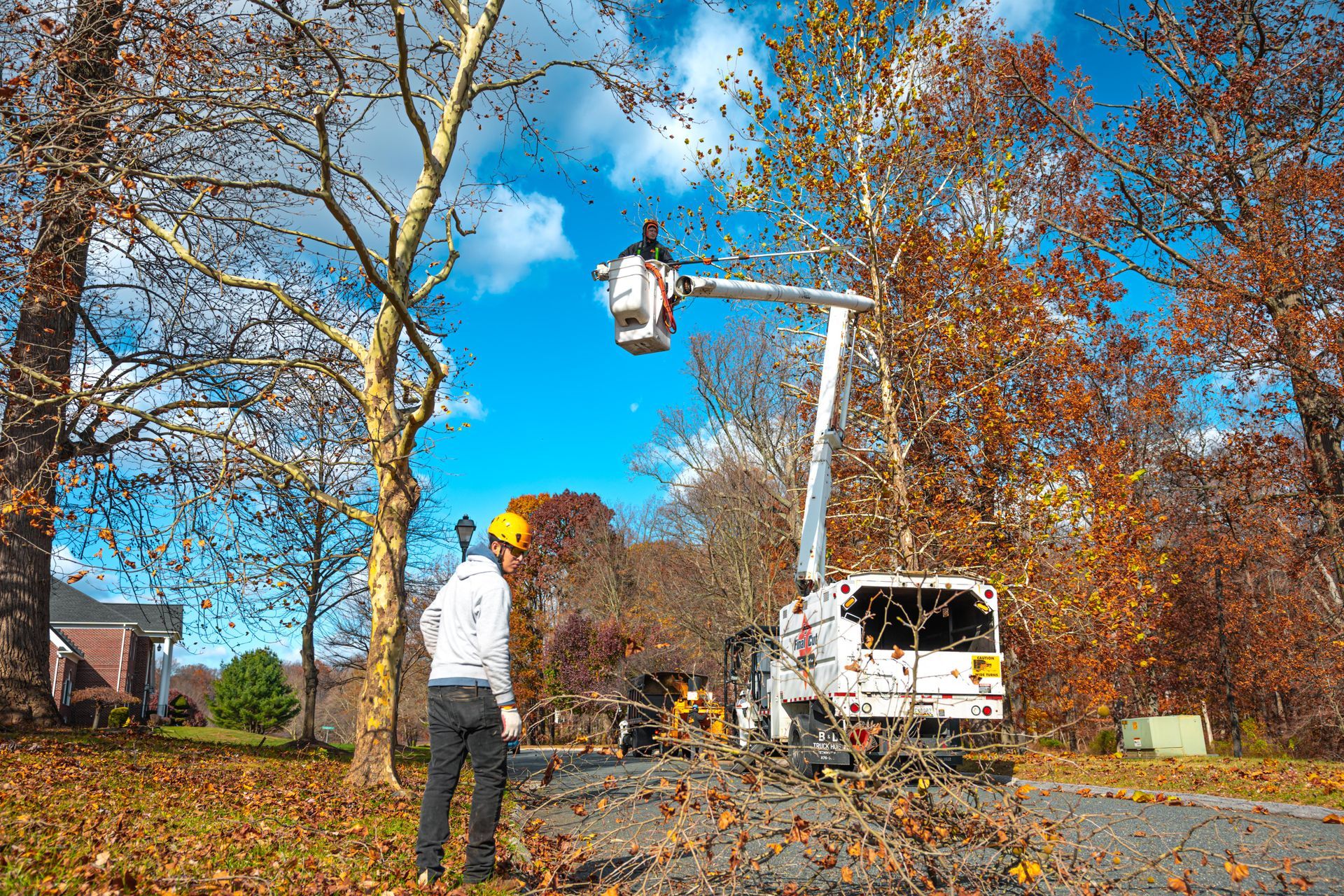
If the tree can remain safely in place, Final Cut Landscape & Tree Care can help restore structure and clearance through Tree Trimming Service.
Why Professional Handling Matters After a Storm
Storm damaged trees can be unpredictable. A branch may be under tension, a trunk may be partially split, or the tree may be leaning against another object. Cutting without the right equipment can cause the tree or limb to shift suddenly.
Working with an insured tree removal company helps protect the property and reduces liability concerns. It also matters when trees are close to homes, vehicles, fences, utility areas, or shared spaces.
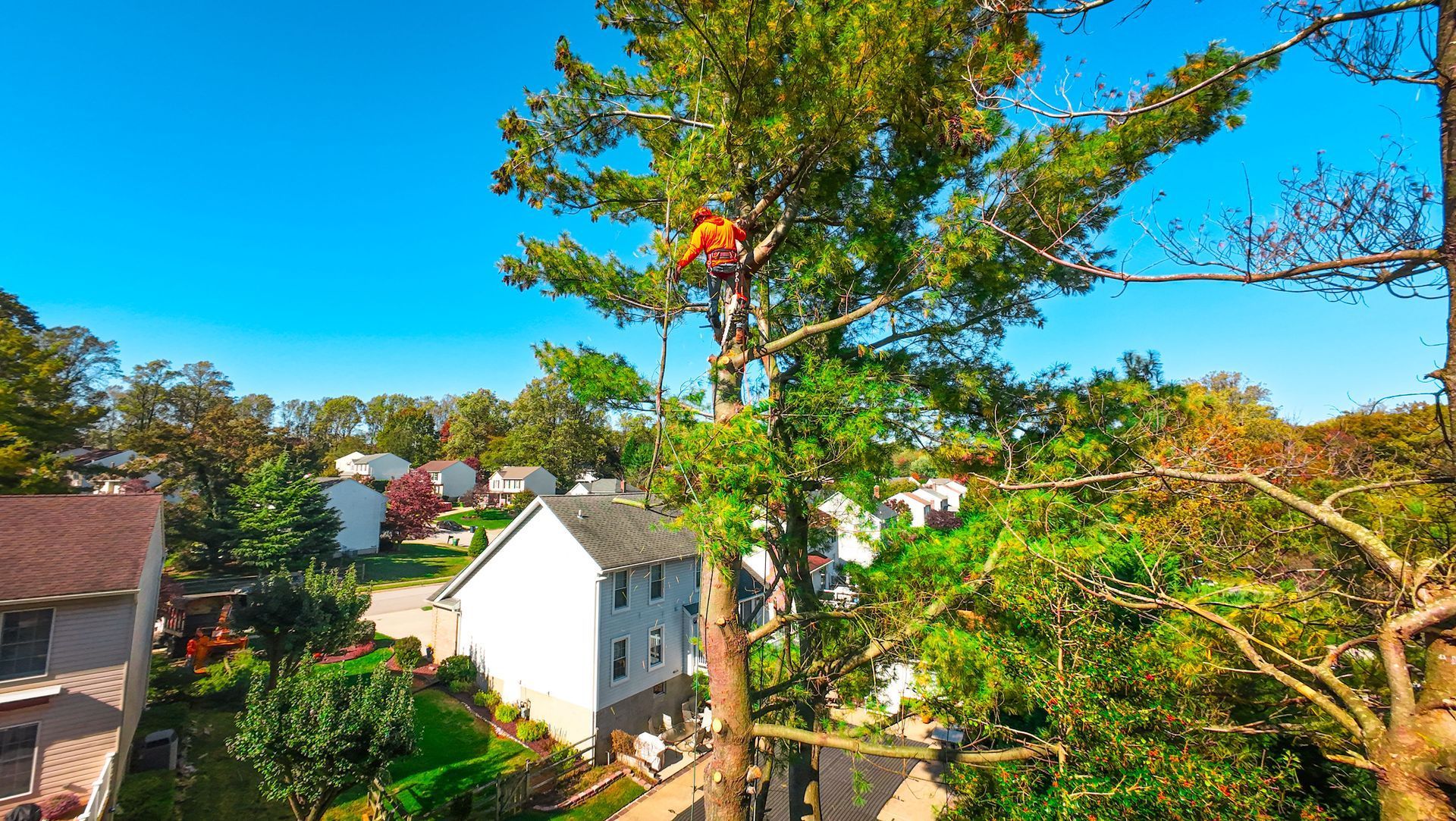
Final Cut Landscape & Tree Care provides professional tree services with careful planning, controlled cutting, and cleanup focused on restoring safety. The goal is to remove the hazard without creating additional damage during the process.
Restoring the Property After Tree Damage
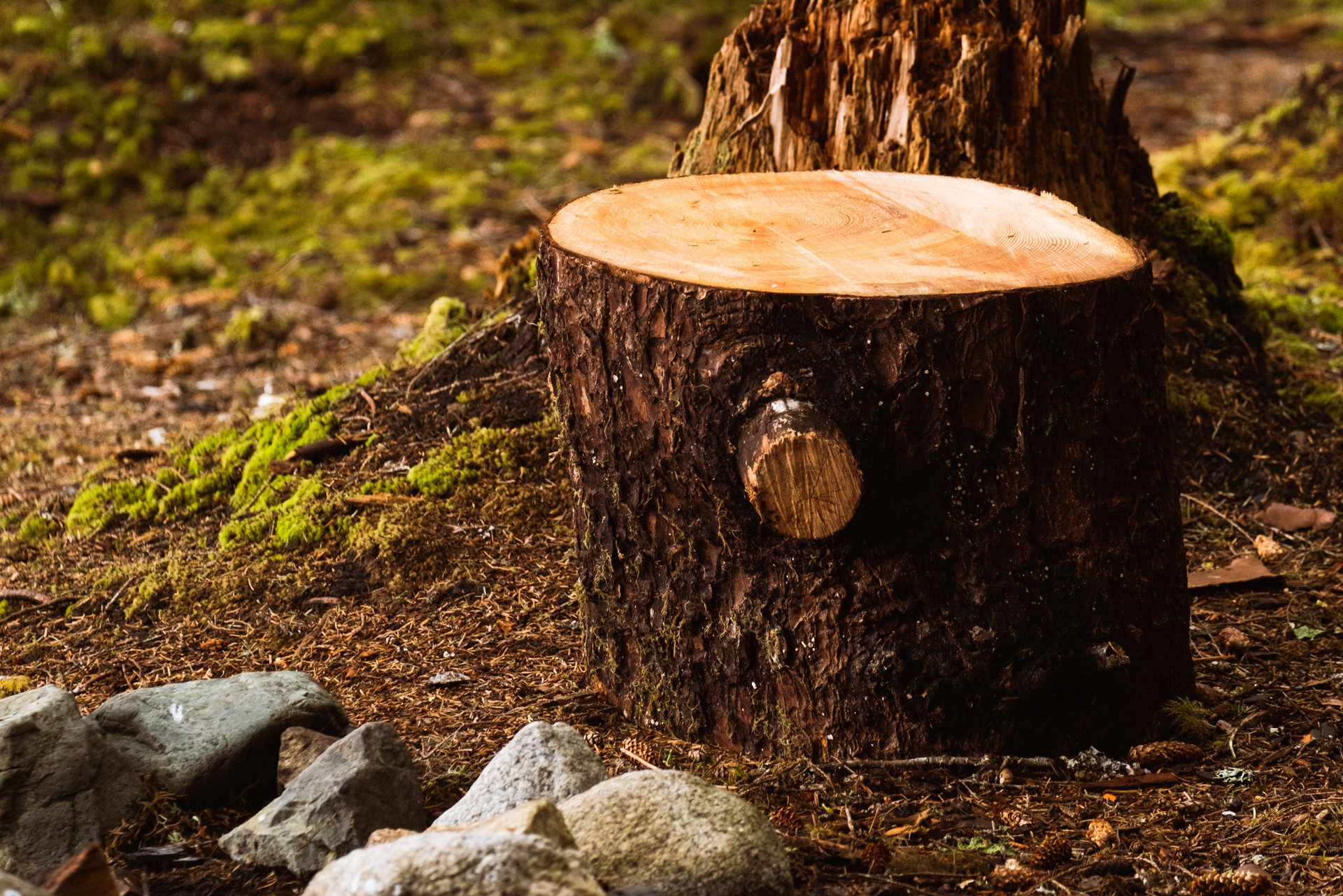
Once the damaged tree or branches are removed, the property may still need follow-up work. A stump can interfere with mowing, create a trip hazard, or leave the area difficult to reuse. Grinding the stump helps finish the space and makes future maintenance easier.
If the storm affected lawn areas, planting beds, or drainage patterns, landscaping may also be part of the recovery plan. Final Cut Landscape & Tree Care can help transition from storm cleanup to a cleaner and more usable outdoor space through
Stump Grinding Service and
Landscaping Services.
Protect Your Property Before the Next Storm
Storm damage should not be treated as a cosmetic issue when the tree is close to people, structures, or high-use areas. A fast inspection can help determine whether the tree is stable, whether trimming is enough, or whether removal is needed.
Final Cut Landscape & Tree Care provides licensed and insured tree services for Maryland homeowners and commercial property owners who need safe, practical solutions after severe weather.
If a storm damaged tree is leaning, cracked, or blocking access,
contact Final Cut Landscape & Tree Care for a professional safety assessment.
Stay in the know
Sign up to get insights, trends, and more in your inbox.
Contact Us
We will get back to you as soon as possible.
Please try again later.
SHARE THIS