Fall landscaping in Towson: What to complete before winter
By • October 13, 2026
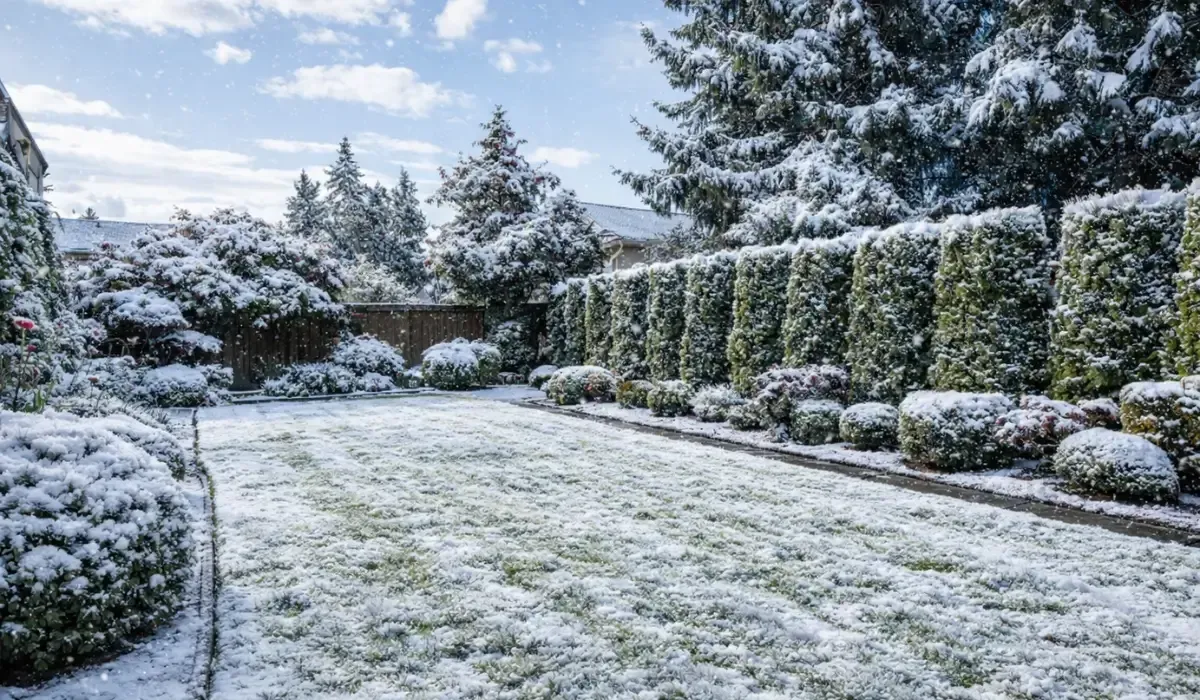
Fall is one of the most useful times to evaluate a landscape. Leaves begin to drop, plant growth slows and areas that stayed hidden during summer become easier to inspect.
For Towson homeowners, this creates an opportunity to address overgrown beds, accumulated debris, exposed soil and outdoor areas that are not functioning as intended. It is also a practical time to decide which improvements should be completed before winter and which should be planned for the following spring.
Working with a landscaping company in Towson, MD can help turn those observations into an organized scope. Instead of completing unrelated tasks, the property can be evaluated as a complete landscape with attention to appearance, access, maintenance and long-term use.
At Final Cut Landscape & Tree Care, we help Towson homeowners prepare outdoor spaces through professional landscaping, seasonal cleanup, planting, lawn enhancement and related tree services.
Begin with a complete property walkthrough
Before deciding what work should be completed, walk the property from the street to the rear boundary.
Look at the landscape from the places where it is most often seen: the driveway, front entrance, patio, kitchen windows and neighboring outdoor areas. A planting bed may appear full from one direction but expose bare or uneven areas from another.
Fall can also reveal practical problems. Wet leaves may collect on walkways, branches may interfere with access and dense plant growth can make parts of the yard difficult to maintain.
During a professional evaluation, Final Cut can review which areas need seasonal maintenance and which may require a larger landscape improvement. This distinction helps keep routine cleanup from being confused with design, installation or property-preparation work.
Clear leaves and debris from the areas that matter most
Leaf removal is often treated as a cosmetic task, but location makes a difference.
A light layer of leaves in a low-use natural area may not create the same concern as compacted leaves covering a walkway, lawn or drainage path. Wet leaves can become slippery on hard surfaces and may prevent sunlight and air from reaching turf when they remain in dense layers.
Lawns and open areas
Heavy leaf coverage can hold moisture against the lawn and create uneven conditions. Removing or managing the accumulation keeps the property cleaner and makes it easier to see where turf has become thin or damaged.
Once the leaves are cleared, the condition of the lawn can be evaluated more accurately. Bare patches, worn routes and uneven edges may indicate where restoration or a different landscape treatment should be considered.
Walkways, entries and outdoor gathering areas
Leaves and small debris should be cleared from steps, walkways, patios and entrances where people regularly move.
This is also an opportunity to examine whether plantings have narrowed the route or whether soil and mulch are washing onto the surface. The objective is not only to leave the area clean but to identify why it repeatedly becomes difficult to maintain.
Planting beds and property edges
Planting beds may need selective cleanup rather than complete removal of every natural material. The appropriate approach depends on the plants, appearance goals and maintenance plan.
A professional crew can clean the visible edges, remove unwanted debris and preserve the parts of the landscape that should remain through winter.
Redefine planting beds before the landscape becomes dormant
Bed lines help organize the property. When their edges disappear into the lawn or nearby surfaces, even healthy plantings can look unfinished.
Fall maintenance can restore those boundaries and reveal whether the bed still has the appropriate size and shape. Shrubs and perennials may have expanded beyond the original layout, while other sections may appear empty after seasonal plants decline.
A clear bed does not need to follow an elaborate shape. It should relate to the home, follow practical maintenance lines and give plants enough room to grow without crowding walkways or structures.
Final Cut’s professional landscaping services can include customized planting, mulch installation, lawn enhancement and maintenance based on the conditions of the property.
Decide whether fall mulch belongs in the plan
Mulch can create a finished appearance and help protect exposed soil, but more is not always better.
Before adding material, the existing depth and condition should be evaluated. New mulch should not simply be piled on top of accumulated layers year after year.
The application should also remain appropriately separated from trunks, stems and structures. Excess material around the base of trees or shrubs can conceal conditions that should remain visible.
When fall mulch is appropriate, it can help define planting beds and reduce exposed soil through the colder months. If the existing material is still in good condition, cleanup and redistribution may be more useful than adding another heavy layer.
Evaluate plants before choosing replacements
Not every plant that looks tired in October needs to be removed. Seasonal change can affect color, leaf retention and overall appearance.
The evaluation should consider whether the plant is naturally entering dormancy, has outgrown its location or has struggled throughout the growing season. Sun exposure, moisture, surrounding competition and available space can all influence performance.
Plants that have outgrown their location
Shrubs that block windows, extend into walkways or crowd neighboring plants may need pruning, relocation or replacement.
The decision should account for the mature size of the plant, not only how it looks after trimming. Repeatedly forcing a large shrub into a small space can create unnecessary maintenance.
Empty or unbalanced planting areas
When one or more plants have failed, the remaining bed may appear uneven. Replacing the exact same plant is not always the best solution if the original location did not provide suitable conditions.
A landscaping plan can use the opening to improve spacing, add seasonal interest or simplify maintenance.
New fall planting
Some landscape installations can be considered during fall, but timing and plant selection matter. The contractor should evaluate current conditions and the remaining establishment period rather than relying on a general seasonal rule.
If installation should wait, the layout and material selections can still be planned before spring demand begins.
Look for water movement after fall rain
Fall rain can reveal where water travels, slows down or collects around the property.
Observe whether runoff crosses a walkway, settles near a planting bed or carries mulch and soil downhill. Downspout discharge, compacted ground, grade changes and accumulated debris may all affect what happens during a storm.
A landscaping company should not promise that one surface treatment will correct every drainage problem. The source, route and destination of the water must first be understood.
Documenting these conditions in fall gives the contractor useful information when planning bed adjustments, lawn restoration, clearing or another landscape project. Photographs taken during or shortly after rainfall can also help show patterns that may not be visible on a dry consultation day.
Review lawn damage before winter hides it
Once leaves are removed, homeowners can see which lawn areas remained strong and which were affected by shade, traffic or seasonal stress.
Thin areas near walkways may indicate repeated foot traffic. Bare soil beneath trees may result from shade and root competition. A narrow strip beside the driveway may experience different conditions from the open lawn.
The appropriate response depends on why the turf declined. Adding seed without addressing the underlying condition may produce only temporary improvement.
Final Cut evaluates how each area is used before recommending lawn enhancement or a different landscape treatment. In some locations, adjusting the bed line or using another ground treatment may be more practical than repeatedly trying to maintain turf.
Does your Towson property need seasonal cleanup, planting-bed improvements or a clearer landscaping plan before winter?
Request a landscaping estimate from Final Cut Landscape & Tree Care to review the property, define the work and prepare the outdoor space for its next season.
Coordinate landscaping with necessary tree work
Landscaping and tree care should not be planned as unrelated activities when they affect the same area.
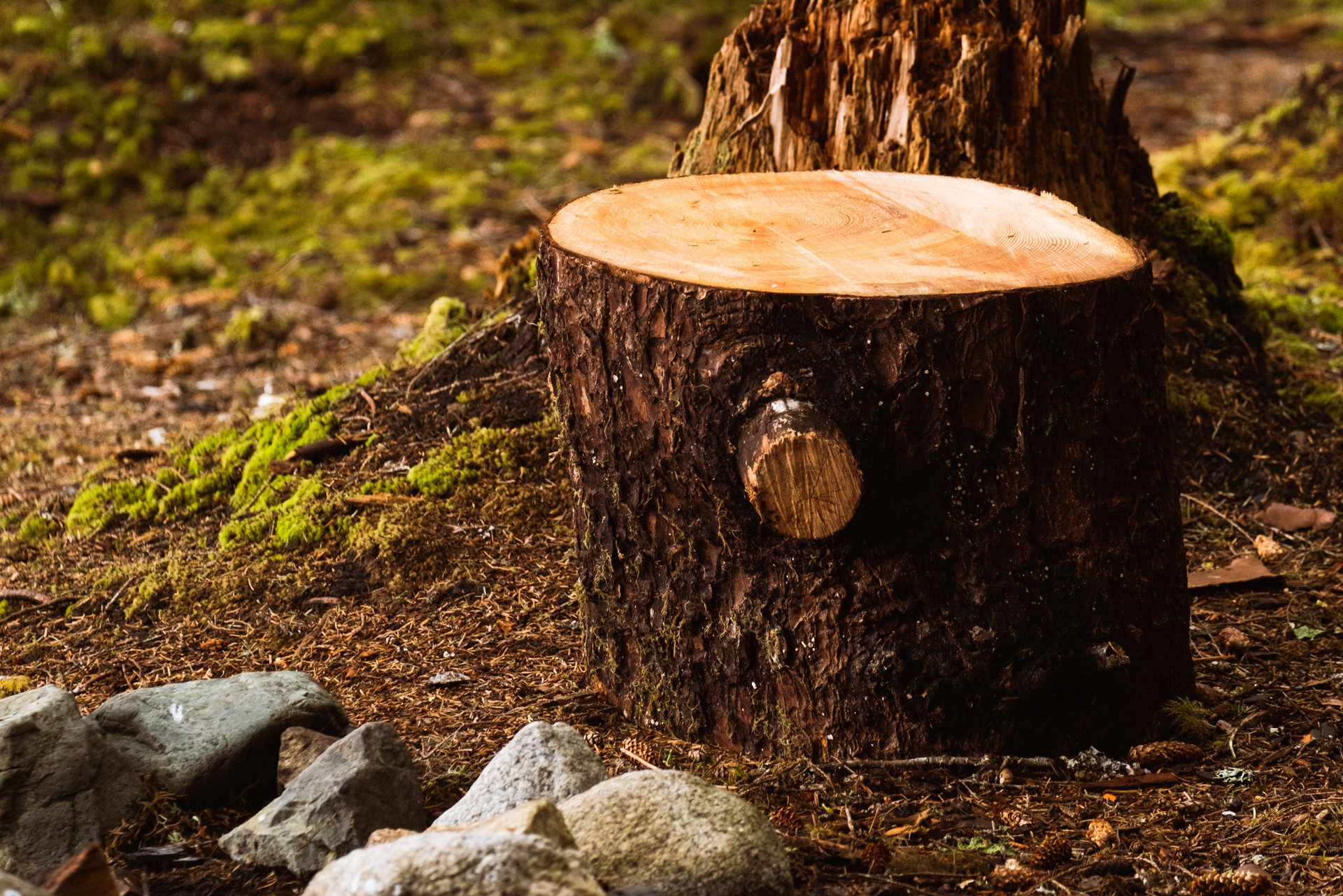
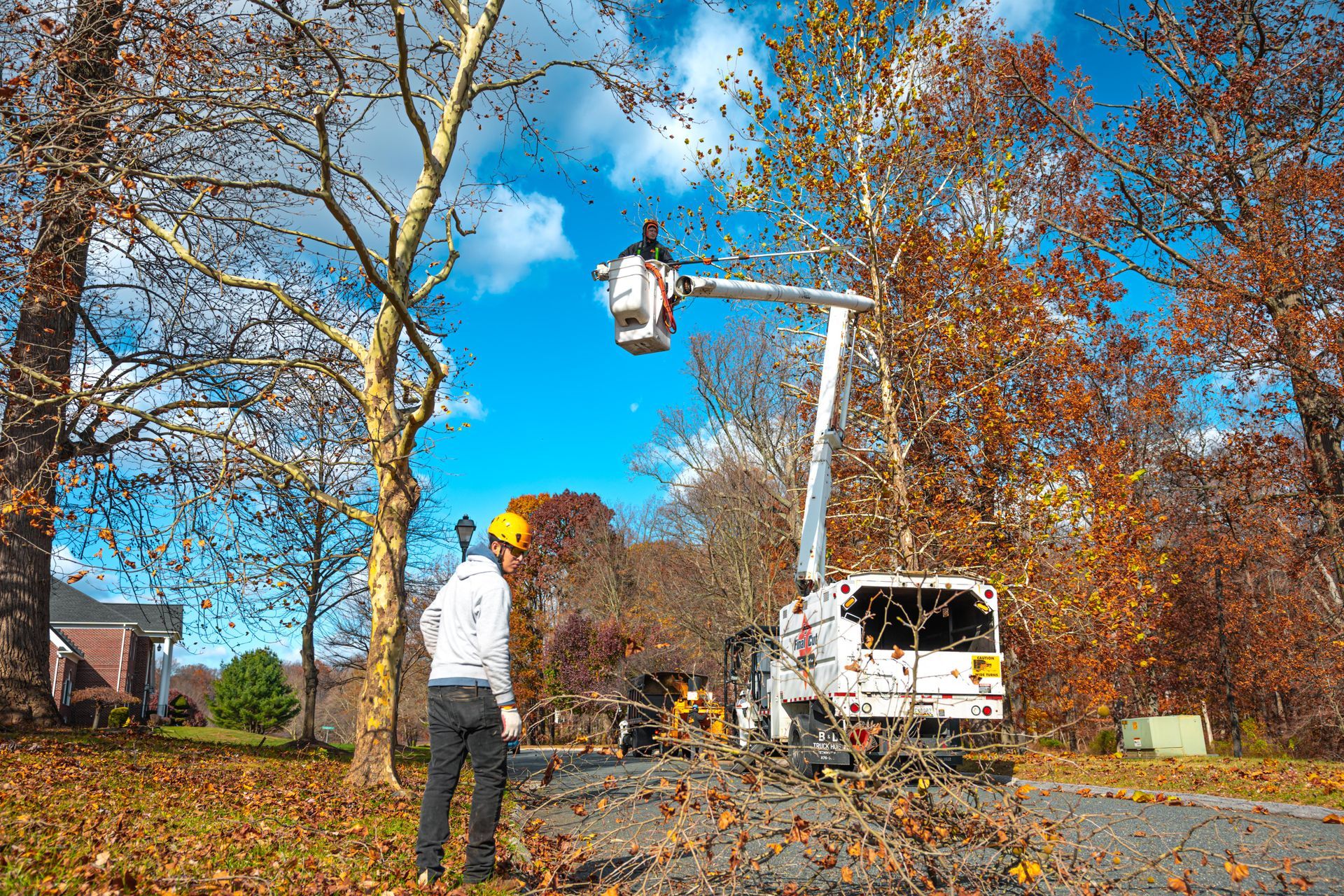
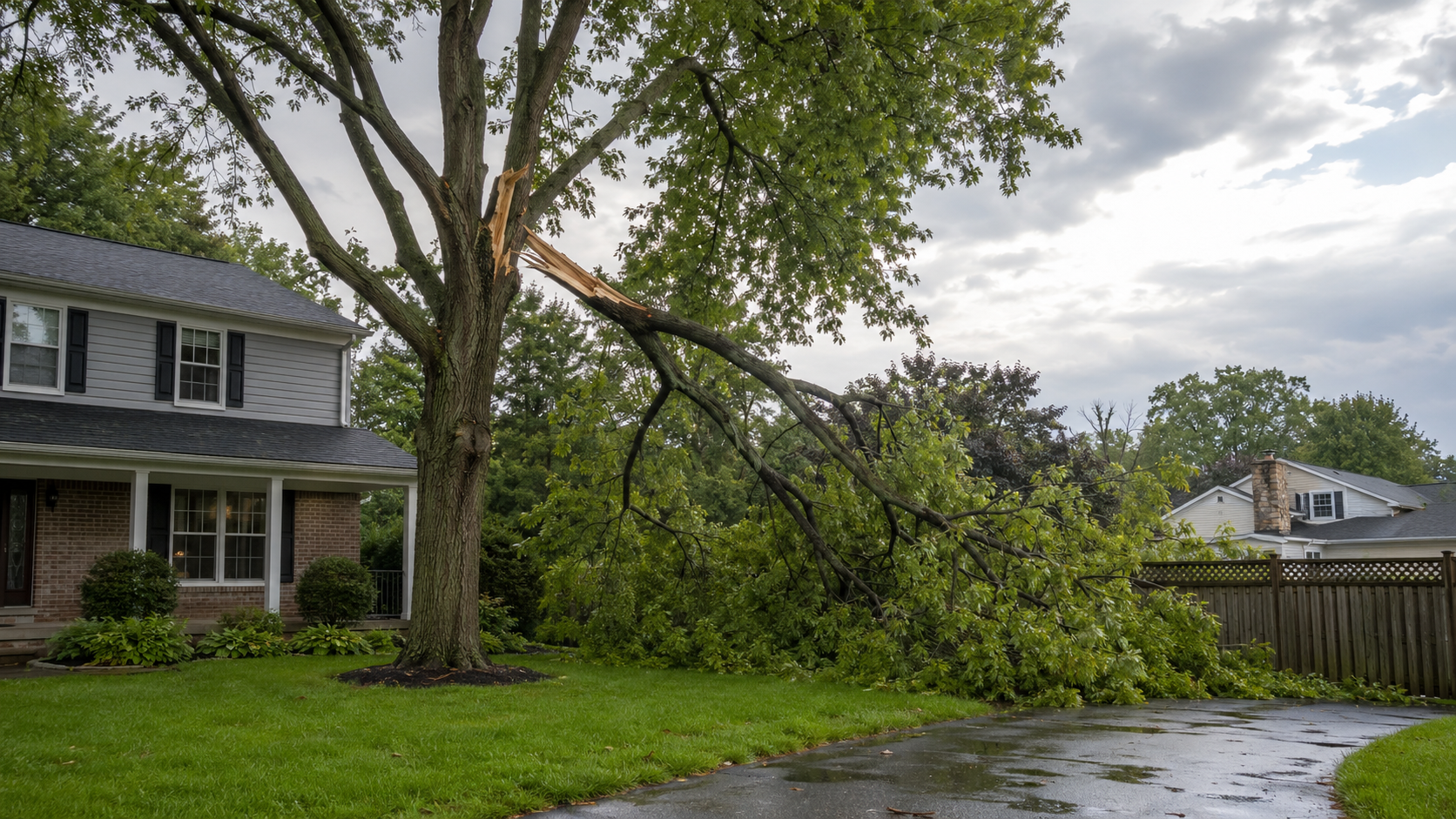
Overgrown or damaged branches may interfere with walkways, driveways, roofs or planting beds. Tree removal may change sunlight and open space in ways that influence the future landscape. A remaining stump can also restrict grading, lawn restoration or new planting.
Completing disruptive tree or stump work after new landscaping has been installed can require equipment to cross finished areas. When possible, evaluate the full property and establish the appropriate sequence before work begins.
Final Cut provides tree trimming, tree removal and stump services alongside landscaping. This allows homeowners to discuss how tree-related work may influence the next phase of the yard.
Determine whether old stumps affect the landscape plan
A stump does not always need immediate removal. Its location and the homeowner’s plans determine how important it is.
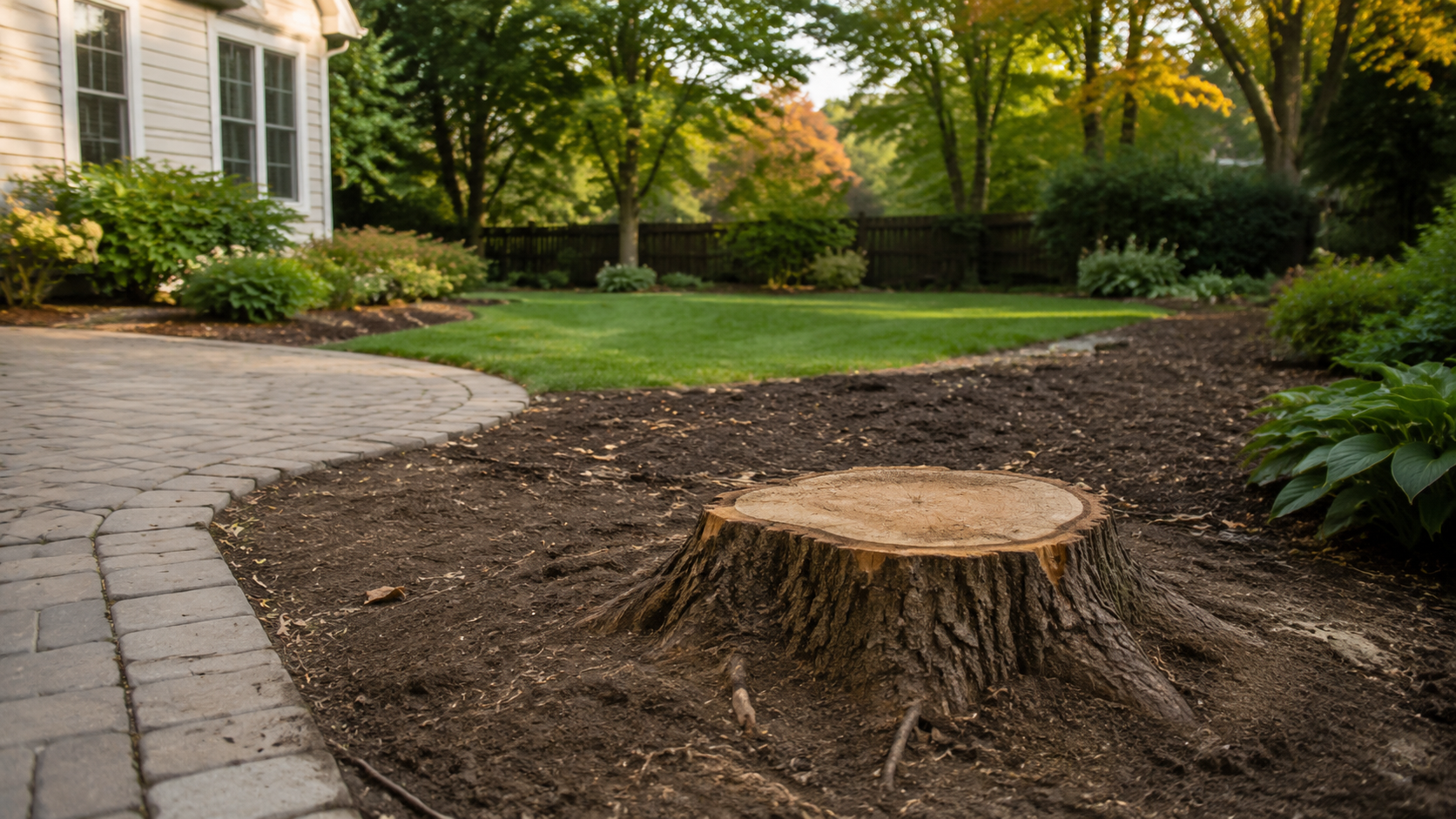
A stump within an unused property edge may not affect the current project. One located in the lawn, near a walkway or inside a proposed planting area can limit future use and maintenance.
If stump work is required, access should be considered before new plantings or lawn improvements are installed. The surrounding area may also need additional preparation after grinding before it is ready for its intended use.
Final Cut’s guide to stump removal before fall landscaping explains how the location, access and next project influence the correct sequence.
Clear overgrown areas before planning their next use
Some Towson properties contain corners that have become difficult to evaluate because of brush, volunteer growth, fallen limbs or accumulated debris.
Clearing can make the area easier to walk, measure and plan. However, vegetation should not be removed without considering what the space needs to become.
The intended use may be a restored lawn, a planting area, improved access or preparation for another outdoor project. Identifying that goal keeps clearing focused and reduces the chance of removing useful vegetation unnecessarily.
For larger preparation projects, homeowners can review Final Cut’s lot clearing services and its guide to clearing property before landscaping or construction.
Separate fall maintenance from larger landscape improvements
Not every fall project needs to become a complete yard renovation.
Seasonal maintenance may focus on leaf removal, bed cleanup, pruning and preparing visible areas for winter. A larger improvement may involve changing bed layouts, replacing groups of plants, restoring lawn sections or reclaiming an overgrown part of the property.
A useful estimate should make that distinction clear. It should identify which work will be completed now and whether any recommendations belong to a later phase.
This allows homeowners to address immediate maintenance needs without losing sight of the property’s longer-term potential.
Use fall observations to plan spring projects
Spring landscaping often begins with decisions that could have been made earlier.
Fall provides a clearer view of where leaves accumulate, which plants became overgrown and how water moves during seasonal rain. Homeowners also have fresh knowledge of which outdoor areas were difficult to maintain throughout the year.
Recording those observations now can improve a future design or installation plan. Measurements, access requirements and major priorities may be established even when construction will occur later.
Early planning also gives homeowners time to compare the scope, review materials and understand which preparation must occur before planting or lawn restoration begins.
What should a landscaping estimate explain?
A useful landscaping proposal should identify the areas included and the intended result.
If the project includes cleanup, the estimate should explain which materials will be removed and how debris will be handled. For planting or bed improvements, it should identify the general material direction and preparation included.
The proposal should also clarify whether tree work, stump removal, lot clearing or lawn restoration is part of the scope. Homeowners should not assume that every service shown during the consultation is automatically included.
When work will happen in phases, the sequence should be documented so one phase does not create unnecessary work for the next.
Prepare the property before the crew arrives
Once the work is scheduled, remove portable furniture, decorations, toys and other belongings from the included areas.
Make sure gates can be opened and identify any access restrictions the crew should know about. Irrigation components, low-voltage wires, property features and areas requiring protection should be discussed before work begins.
If the project includes debris removal or larger equipment, the contractor may need temporary space for vehicles and materials.
Clear access helps the crew complete the approved landscaping work efficiently and reduces avoidable disruption to the surrounding property.
Review the completed landscape and next steps
At the end of the project, walk through the completed areas with the contractor. Confirm that cleanup, bed work, plantings or other improvements match the approved scope. If materials were installed, ask about the appropriate initial care and seasonal expectations.
The final review should also identify any recommended future work without treating every observation as an immediate problem. Some areas may simply need to be monitored through winter and reassessed in spring.
Keep the estimate and care information for reference. These records can help maintain continuity when the property requires another phase of work.
Plan fall landscaping in Towson with Final Cut
Fall landscaping should prepare the property for winter while creating a clearer starting point for the next growing season.
The most valuable work depends on the actual conditions of the yard. Some properties need seasonal cleanup and defined planting beds. Others require lawn restoration, stump removal, tree care or preparation for a larger landscaping project.
Final Cut Landscape & Tree Care provides landscaping and tree services in Towson, MD, supported by more than 10 years of hands-on experience serving Maryland properties.
Request a free estimate from Final Cut
Related landscaping and property-care resources
Stay in the know
Sign up to get insights, trends, and more in your inbox.
Contact Us
We will get back to you as soon as possible.
Please try again later.
SHARE THIS