Tree Removal for Residential Properties: When Action Is Needed
By Final Cut • June 10, 2026
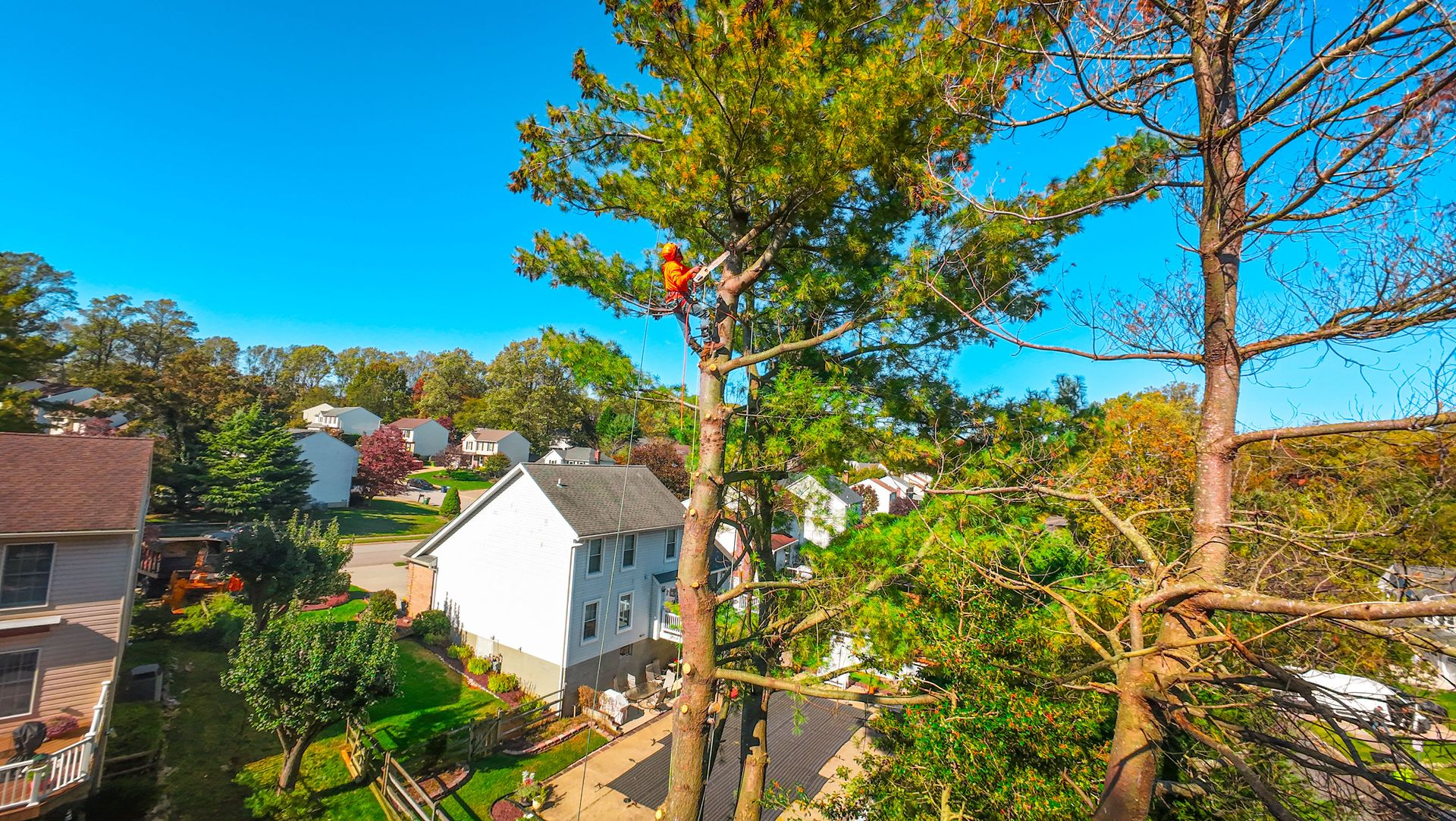
Professional tree removal Maryland homeowners need is rarely about convenience, it is about protecting people, structures, and the long-term condition of the property. While many trees can remain healthy with proper maintenance, others eventually reach a point where removal becomes the safest and most practical solution.
In Maryland, mature trees often grow close to homes, garages, fences, and driveways. Combined with seasonal storms, saturated soil, and years of growth, those conditions can increase the likelihood of structural failure. Understanding when removal is appropriate helps homeowners act before minor concerns become expensive emergencies.
Small Warning Signs Often Lead to Bigger Problems
Residential trees rarely fail without showing changes first. The challenge is that many homeowners mistake these early signs for normal aging.
Some of the most common indicators include:
- A noticeable lean that has become more pronounced.
- Deep cracks or splitting along the trunk.
- Large dead limbs falling without severe weather.
- Decay or fungal growth near the base.
- Roots lifting from the soil or causing ground movement.
A single symptom does not automatically mean the tree must be removed. However, when several warning signs appear together, the likelihood of structural failure increases significantly.
Final Cut Landscape & Tree Care evaluates both the condition of the tree and the surrounding property before recommending any work. That approach helps homeowners avoid unnecessary removal while addressing genuine safety risks.
Why Location Can Be More Important Than Tree Size
A healthy-looking tree can still become a serious hazard if it is growing in the wrong place.
For residential properties, the level of risk often depends on what the tree could strike if it failed. Trees located near roofs, bedrooms, children’s play areas, detached garages, outdoor patios, or neighboring homes deserve much closer attention than similar trees growing in open areas.
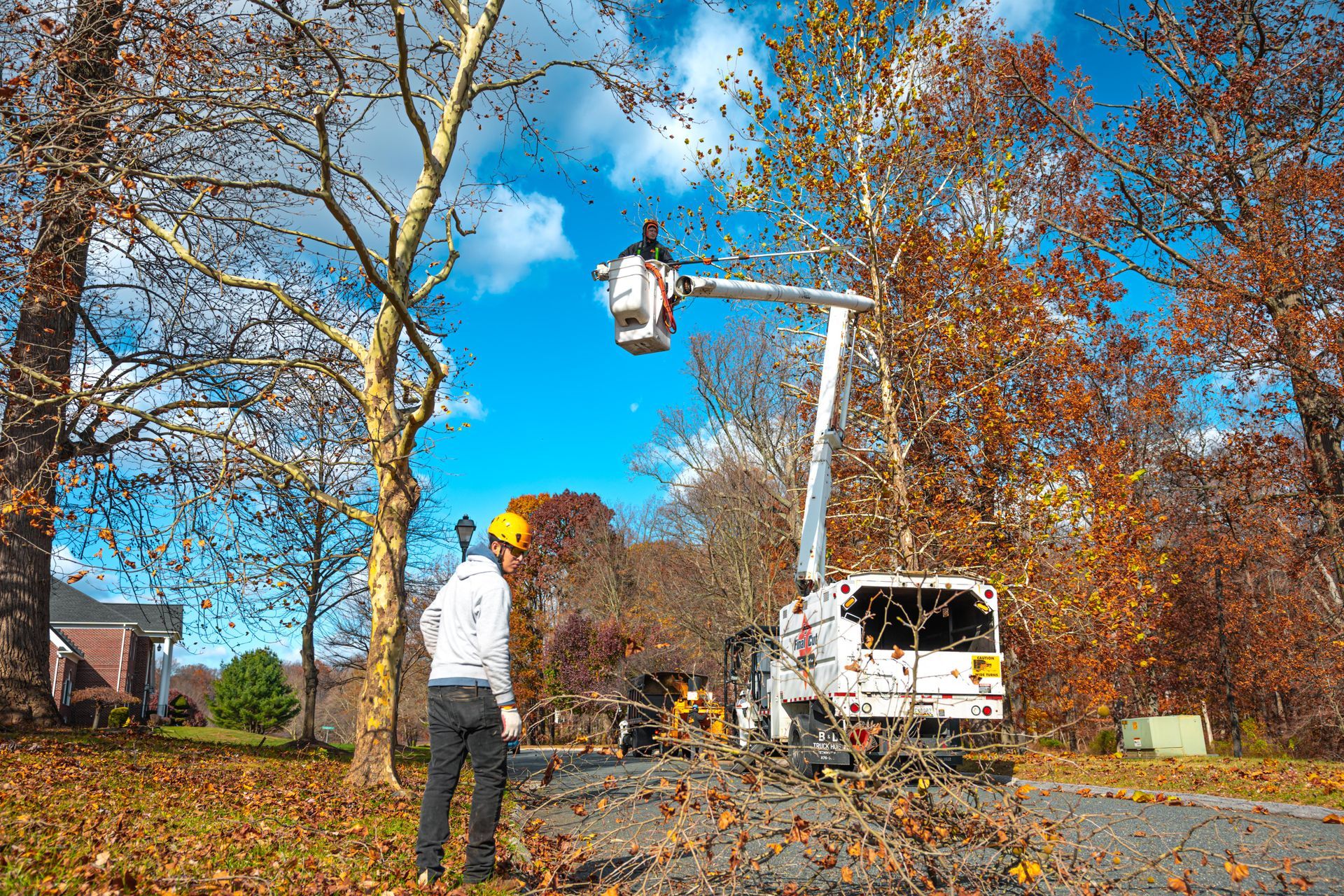
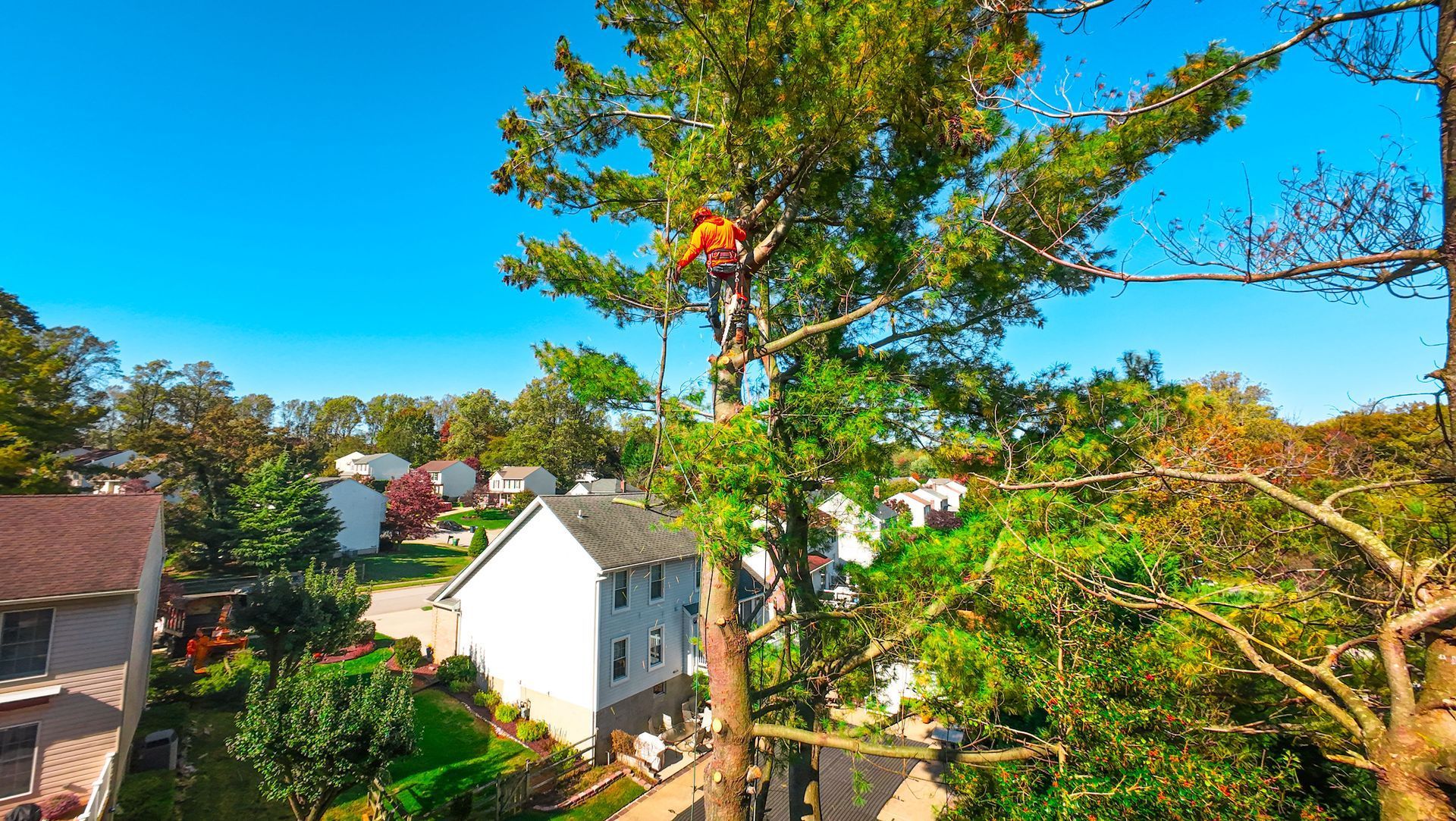
Maryland neighborhoods frequently have limited working space between homes. Because of that, even a moderate-sized tree may require careful planning and specialized equipment to remove safely.
If the location creates a long-term safety concern, homeowners can schedule an evaluation through
Tree Removal Service before the risk becomes more difficult to manage.
When Trimming Is No Longer the Right Solution
Many homeowners hope trimming will solve every tree problem. In reality, pruning only works when the tree’s overall structure remains healthy.
Selective trimming is effective when branches create clearance issues or when deadwood is limited to specific sections of the canopy. It becomes much less effective once the trunk, root system, or primary structural limbs have deteriorated.
A tree that continues leaning, develops extensive decay, or suffers repeated storm damage usually requires a different recommendation than routine maintenance.
Rather than focusing on removing branches, Final Cut Landscape & Tree Care determines whether the tree can continue growing safely for years to come. If the answer is no, removal often becomes the most responsible option.
When branch management is still sufficient, homeowners may instead benefit from
Tree Trimming Service.
Situations That Require Faster Action
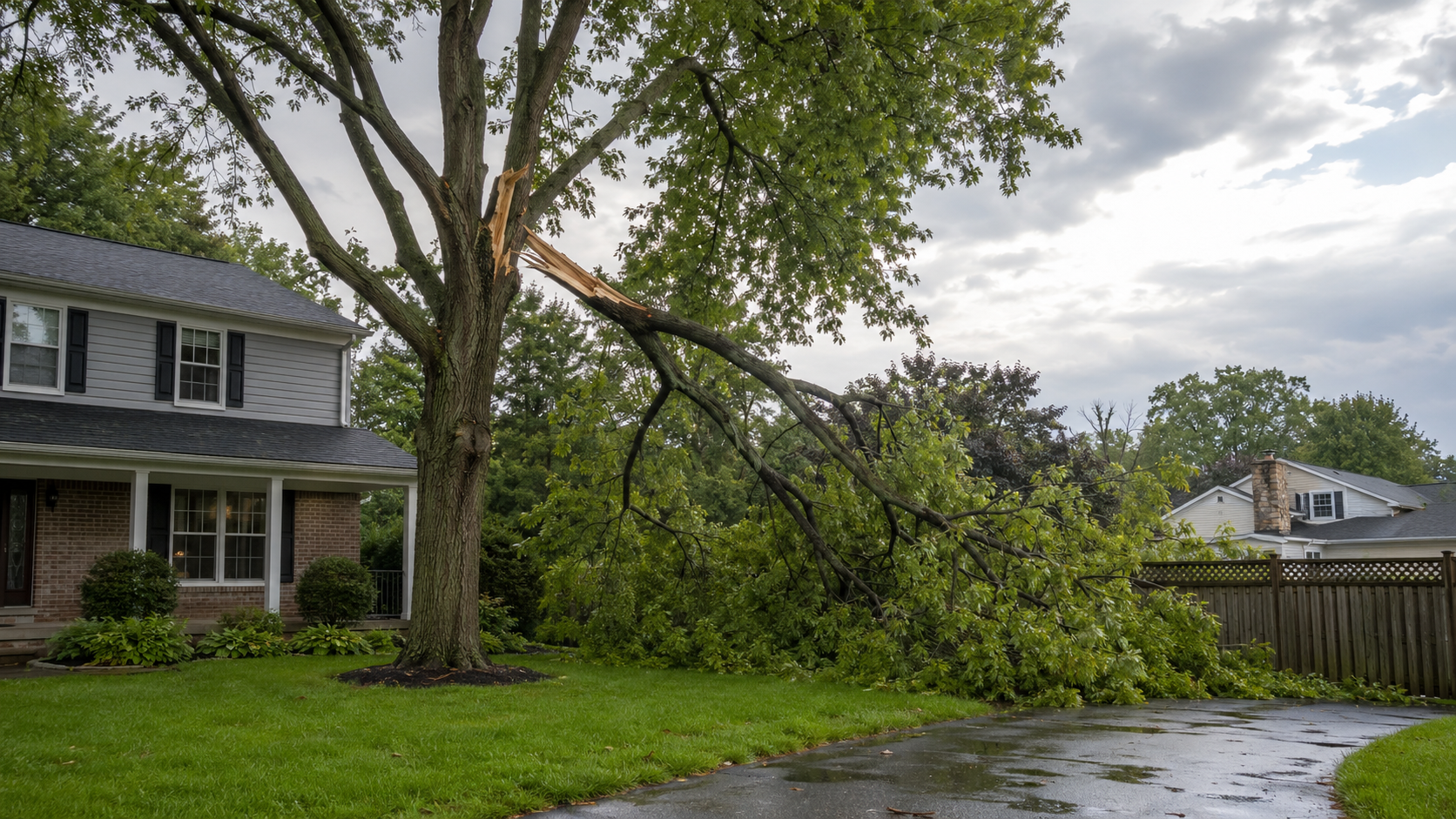
Some residential situations should not wait until the next maintenance visit. If a tree starts leaning after a storm, the root system may already be shifting or failing beneath the soil. That risk becomes more serious when the tree is close to a home, driveway, fence, or neighboring property.
A large limb hanging over the roof also needs fast attention because wind, rain, or additional weight can cause it to break without much warning. The same applies when a sudden trunk crack appears. A visible crack can mean the tree has already lost part of its structural strength, even if the canopy still looks alive.
Homeowners should also act quickly when a fallen or unstable tree blocks a driveway, walkway, garage entrance, or emergency access point. In these cases, same day tree removal may be appropriate because the issue affects both safety and daily use of the property.
Final Cut Landscape & Tree Care can inspect the situation, explain whether immediate removal is needed, and plan the safest way to protect the home and surrounding area.
Planning Beyond the Removal
Removing the tree is only one part of improving the property.
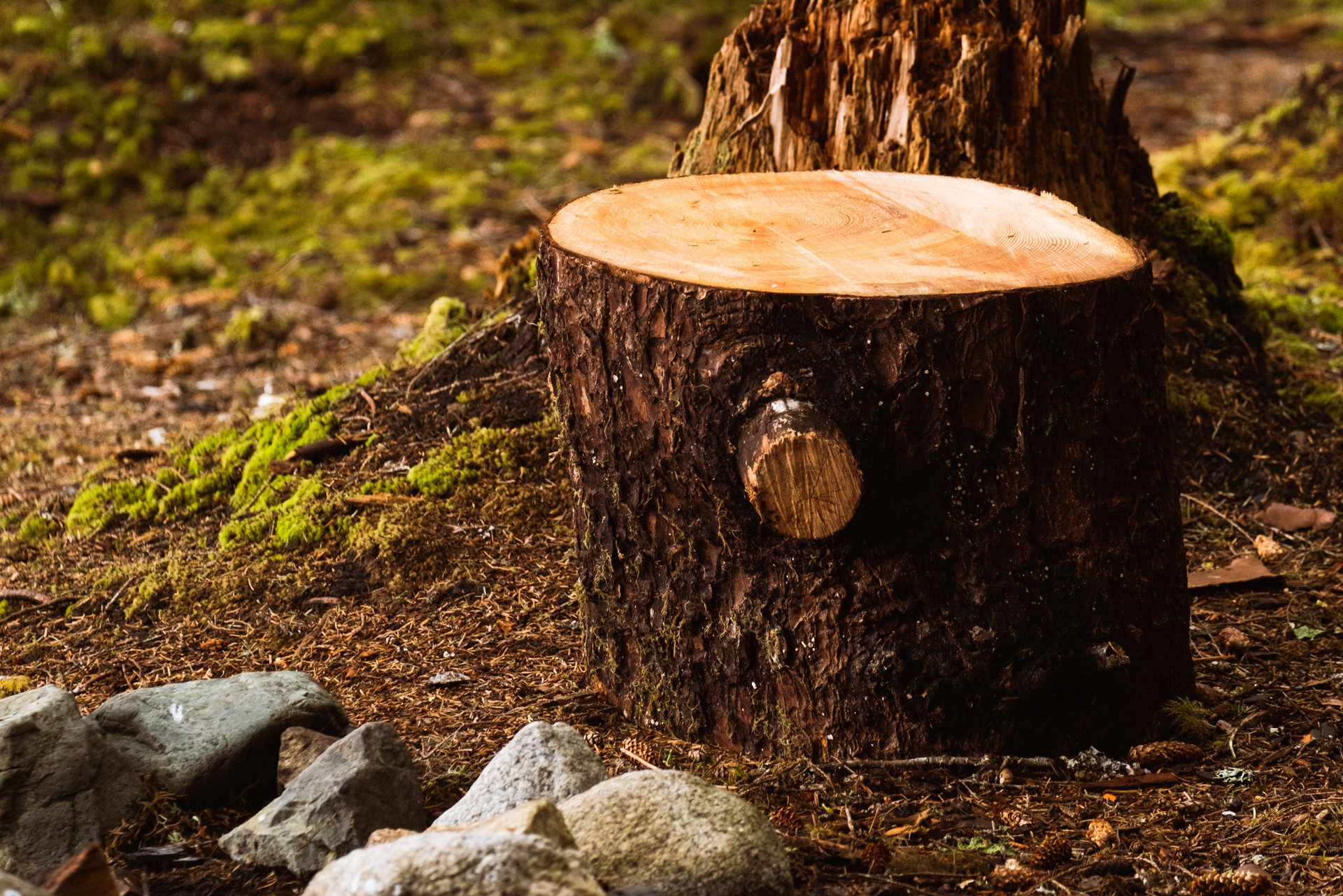
Leaving a stump behind may continue creating maintenance problems by interfering with mowing, collecting moisture, or becoming a tripping hazard. Eliminating the stump allows the area to be used again for landscaping, lawn restoration, or future planting.
Homeowners planning larger outdoor improvements often combine removal with additional work that improves both appearance and usability. Final Cut Landscape & Tree Care frequently helps clients transition directly into Stump Grinding Service followed by Landscaping Services when the space is ready for a new landscape design.
Making the Right Decision for Your Home
Tree removal for residential properties should never be based solely on appearance. The most important factors are structural stability, proximity to valuable structures, future growth, and overall safety.
A licensed tree service understands how these factors work together and can recommend the safest solution without removing healthy trees unnecessarily.
Final Cut Landscape & Tree Care provides licensed and insured tree services throughout Maryland with a focus on careful planning, safe removal practices, complete cleanup, and property protection.
If you have concerns about a tree on your property,
schedule a professional evaluation before the next storm season increases the risk.
Stay in the know
Sign up to get insights, trends, and more in your inbox.
Contact Us
We will get back to you as soon as possible.
Please try again later.
SHARE THIS