Do You Need Tree Trimming This Spring? Signs Your Trees Are Becoming a Safety Risk in Maryland
By Valeria Barraza • May 26, 2026
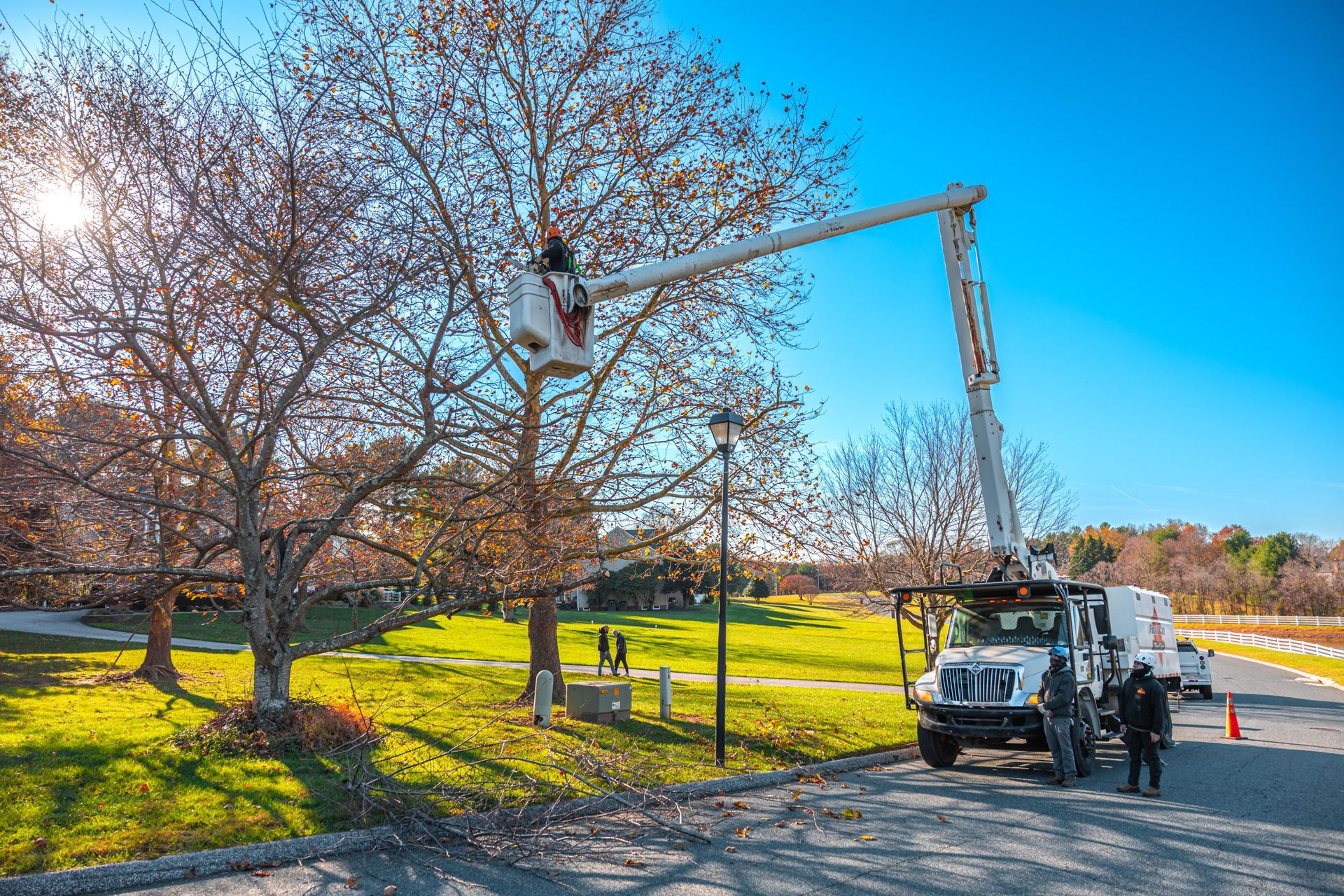
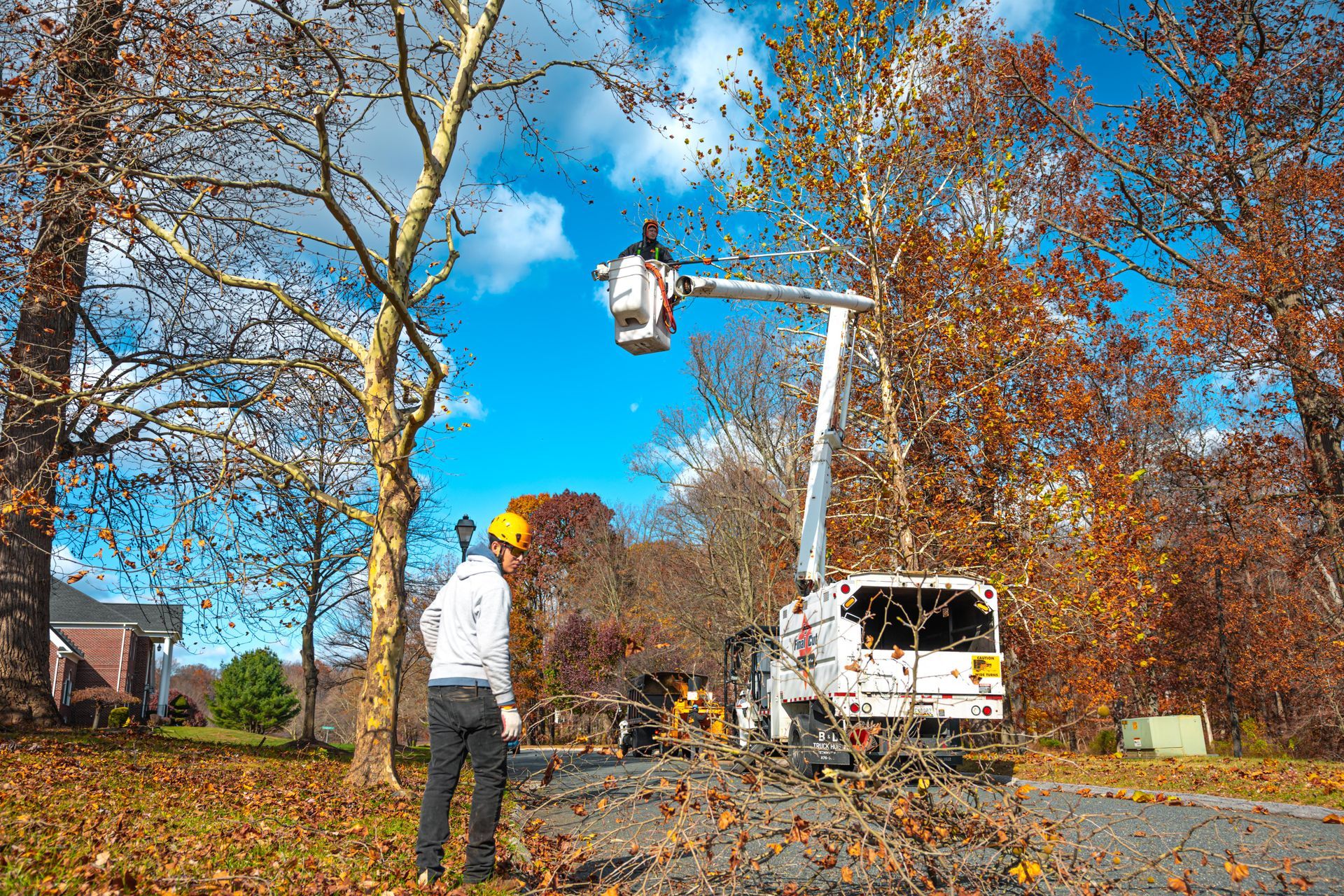
Spring is one of the best times to evaluate whether your trees need professional care. Tree trimming Maryland property owners schedule early can help reduce falling limb risks, improve clearance near homes or driveways, and support healthier growth before summer storms arrive. In Maryland, heavy rain, saturated soil, mature tree canopies, and branches growing close to roofs can quickly turn small issues into safety concerns.
Final Cut Landscape & Tree Care helps homeowners, business owners, and property managers identify when trimming is not just cosmetic, but necessary for safer outdoor spaces. The goal is not to remove healthy growth without reason. The goal is to understand what the tree is doing, where the risk is developing, and how professional trimming can protect the property.
Why Spring Is a Smart Time for Tree Trimming Maryland Properties
Spring gives property owners a clear view of how trees responded to winter weather. Broken limbs, heavy canopy growth, weak branch unions, and storm-stressed trees are often easier to notice before the landscape fills in completely.
For many Maryland properties, tree maintenance spring work is also about timing. Crews can address branches before summer thunderstorms, before dense foliage adds weight, and before overgrown limbs interfere with daily property use.
Final Cut Landscape & Tree Care looks at more than the branch being cut. The team considers roof lines, driveway access, nearby fences, slope, drainage patterns, and how the tree affects the rest of the yard. If branches are already touching the home or blocking outdoor areas, homeowners can plan safer clearance through tree trimming service.
Signs Your Trees Are Becoming a Safety Risk
Some tree problems are easy to ignore until wind or rain exposes them. Others are visible if you know what to look for during a spring property walk.
Watch for these warning signs:
- Branches hanging over roofs, parking areas, sidewalks, or driveways.
- Limbs rubbing against siding, gutters, fences, or nearby trees.
- Dead, cracked, or split branches inside the canopy.
- Heavy growth that makes the tree lean or look unbalanced.
- Low limbs blocking visibility, walkways, or commercial access points.
An overgrown tree risk is not always about one large limb. Sometimes the issue is a combination of weight, poor clearance, weak structure, and nearby property features. On residential lots, this may mean branches near bedrooms, decks, or children’s play areas. On commercial properties, it may involve customer parking, signage, delivery access, or pedestrian safety.
When Trimming Helps and When Removal May Be Safer
Tree trimming is often the right solution when the tree is structurally sound but needs clearance, balance, or selective pruning. However, trimming is not always enough if the tree is severely damaged, hollow, leaning, or declining from the base.
| Tree Condition | Best Next Step |
|---|---|
| Healthy tree with overextended branches | Professional trimming to improve clearance and structure |
| Dead limbs in an otherwise stable canopy | Selective pruning to reduce falling branch risks |
| Leaning tree with root movement | Professional inspection and possible removal planning |
| Storm-damaged tree with major trunk cracks | Safety evaluation before trimming or removal |
Final Cut Landscape & Tree Care helps property owners make practical decisions instead of guessing. If trimming will not solve the safety concern, the next step may be controlled removal through Tree Removal Services. If a tree has already been removed and the stump is affecting mowing, drainage, or lawn use, the area can be finished through stump grinding services.
How Professional Trimming Protects the Whole Property
Good trimming is not just cutting branches back until the tree looks smaller. Proper tree pruning in Maryland should respect the tree’s structure, the surrounding property, and the long-term maintenance plan.
Final Cut Landscape & Tree Care evaluates how each cut affects weight distribution, canopy airflow, clearance, and future growth. Poor cuts can leave wounds, encourage weak regrowth, or make a tree look uneven. Professional trimming helps reduce immediate risk while keeping the tree stable and attractive.
For properties with overgrown beds, shaded turf, or branches limiting usable space, trimming may also be part of a larger outdoor improvement plan. Once tree clearance improves light and access, homeowners can restore curb appeal and yard function through landscaping services.
What to Do Before Scheduling Tree Work
Before calling for service, walk the property from different angles. Look from the street, the driveway, the backyard, and any upper windows if possible. This helps you notice clearance issues that may not be obvious from one spot.
Use this quick spring checklist:
• Check for branches close to the roof or utility areas.
• Look for dead wood after winter storms.
• Notice limbs hanging over places people walk or park.
• Watch for trees leaning more than they did last season.
• Identify areas where shade, debris, or overgrowth affects lawn use.
If you are unsure whether the issue needs trimming, pruning, or removal, Final Cut Landscape & Tree Care can assess the tree and explain the safest path forward. Schedule a spring tree evaluation before storm season creates a more urgent problem.
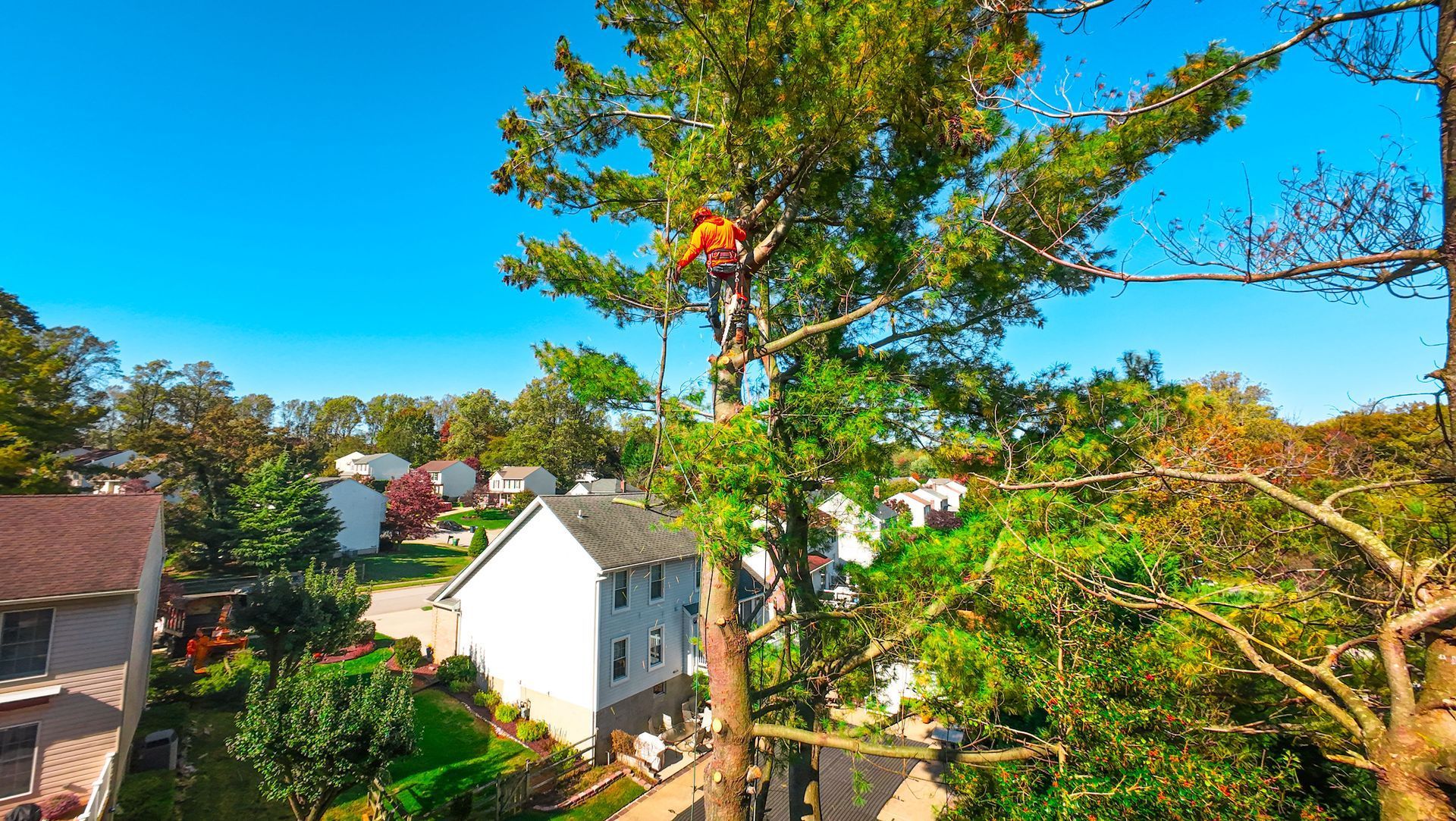
Final Cut Landscape & Tree Care Can Help You Plan Safer Spring Tree Care
Spring is the right time to take tree safety seriously without waiting for a branch to fall. Whether you manage a home, rental property, business frontage, or commercial landscape, proactive trimming can reduce risk and make the outdoor space easier to maintain.
Final Cut Landscape & Tree Care provides licensed and insured tree care with clean workmanship and property-specific planning. If your trees are overgrown, too close to structures, or showing storm damage, request a professional trimming assessment today.
Frequently Asked Questions
How often should trees be trimmed in Maryland?
Most trees should be evaluated every year, but trimming frequency depends on tree species, growth rate, storm exposure, and nearby structures. Trees close to roofs, driveways, or public areas may need more frequent attention.
Is spring a good time to trim trees?
Spring can be a good time to identify winter damage, improve clearance, and prepare for heavier seasonal growth. Some trees require specific timing, so a professional assessment helps avoid unnecessary stress to the tree.
What happens if overgrown branches are ignored?
Overgrown branches can rub against structures, block visibility, add weight to weak limbs, and increase the chance of storm-related damage. Early trimming can help reduce those risks before they become more expensive problems.
Stay in the know
Sign up to get insights, trends, and more in your inbox.
Contact Us
We will get back to you as soon as possible.
Please try again later.
SHARE THIS