Tree Removal in Towson Before Winter: Access, Nearby Structures and Crane Planning
By • November 10, 2026
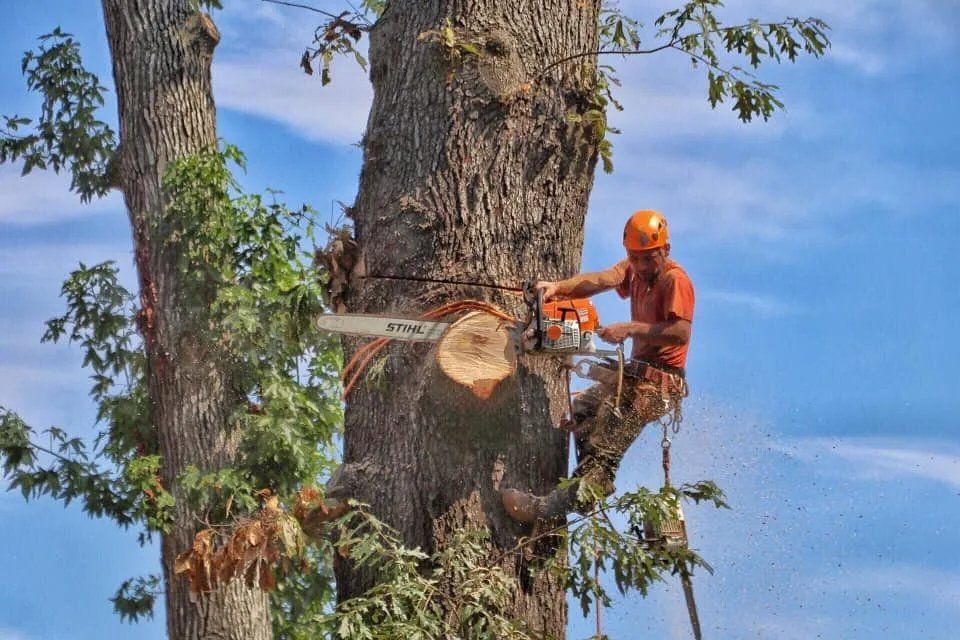
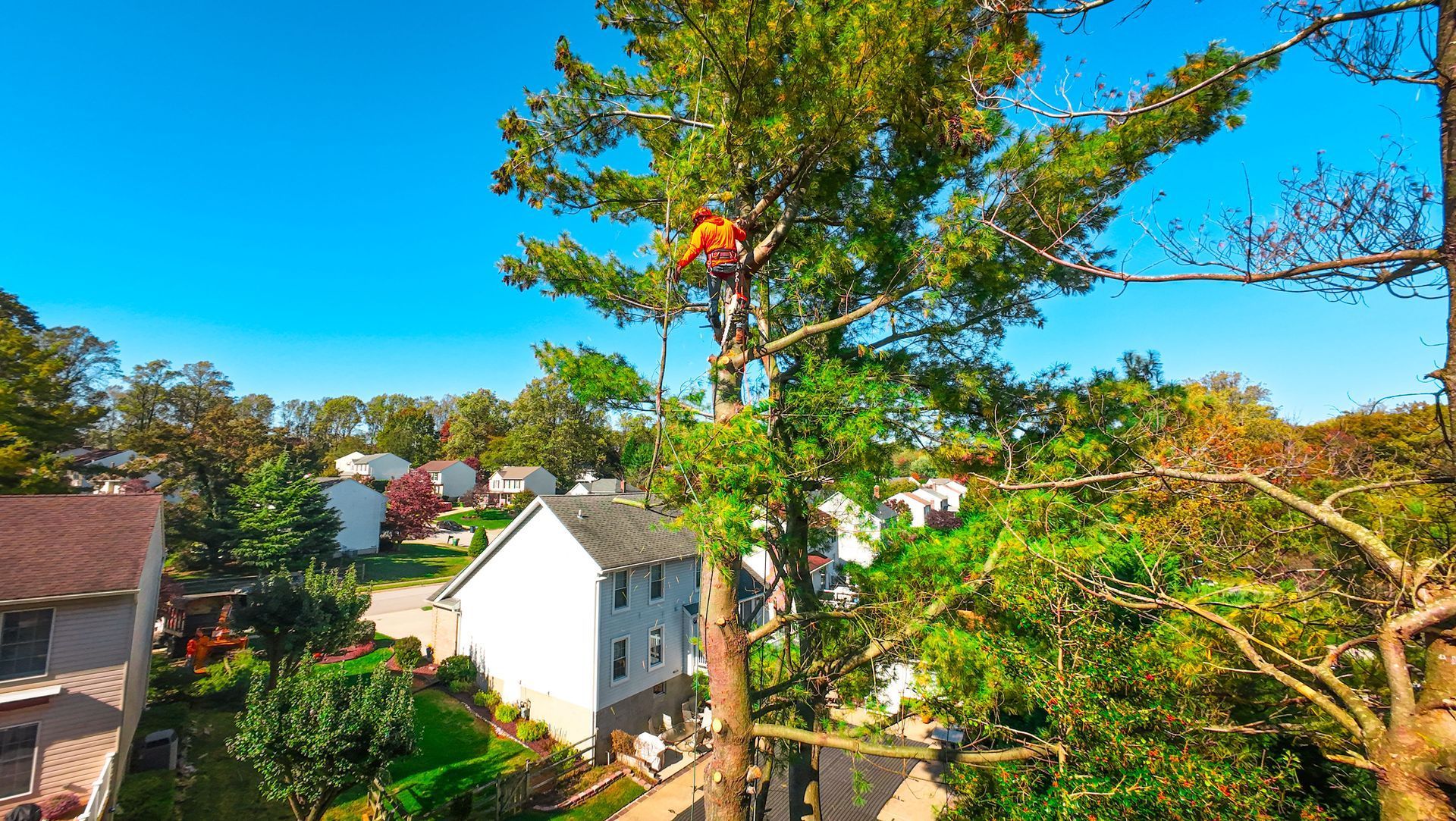
A tree close to a house requires a different removal plan from one standing in an open lawn. Rooflines, fences, driveways and neighboring properties affect where equipment can operate and how removed wood can be handled. Those conditions matter before a service date is established.
At Final Cut, we evaluate the tree and its surroundings before recommending an approach. For tree removal planning in Towson, MD before winter, that assessment also considers the urgency of the concern, equipment access and seasonal ground conditions.
A crane may be appropriate for certain projects, but its use depends on the site. The objective is a removal plan that explains why the work is needed, how it can be carried out and what the property owner can expect afterward.
The Reason for Removal Establishes the Priority
Winter planning begins with the tree’s condition. A dead tree, a damaged trunk and a healthy tree interfering with a construction project present different decisions.
The assessment considers structural concerns, visible decline, previous damage and the areas that could be affected by a failure. A large tree near a home needs evaluation in the context of that location, rather than size alone.
As deciduous trees lose their leaves, branch structure and clearance around buildings can become easier to observe. That improved visibility can support an assessment, but it does not establish whether a tree needs removal.
Removal and Trimming Address Different Problems
Selected branches may be managed through trimming when the rest of the tree remains suitable for retention. Broader structural problems may support a removal recommendation.
The explanation needs to connect the findings to the proposed work. The arrival of winter is a reason to evaluate an existing concern, not an automatic reason to remove an otherwise healthy tree.
Urgent Conditions Follow a Different Schedule
A recent split, suspended limb or sudden change in position may require prompt professional assessment. These conditions need to be evaluated separately from a routine prewinter project.
That distinction helps establish whether the work can follow a planned schedule or requires a more immediate response.
Nearby Structures Shape the Work Area
A removal plan accounts for the full spread of the tree, not just the base of its trunk. Branches may extend over a roof, garage, patio or neighboring yard even when the trunk appears accessible.
For a Towson property with several built features around the tree, the available work area can be limited. A driveway may provide equipment access while also serving as the route for removing wood. A rear patio may occupy space that would otherwise be available for material handling.
Buildings and Landscape Features Need Individual Attention
Roof edges, gutters, windows, fences, retaining walls and exterior equipment each affect the plan. Their location can influence equipment positioning and the sequence of the work.
Final Cut’s tree removal and trimming services in Towson address the tree alongside these surrounding conditions. Evaluating those relationships during the assessment supports a more accurate proposal.
Access Planning Covers the Entire Rout
Open space beside the tree is useful only if the necessary equipment can reach an appropriate working position. The route from the street deserves the same attention as the tree itself.
Driveway width, gates, turns, slopes and overhead obstructions can affect the available approach. The route for hauling wood may also differ from the route used to bring equipment onto the property.
Equipment Access and Debris Access Are Separate Questions
A narrow passage may allow workers to reach the tree while limiting the equipment that can enter. That can change how material is handled and how much movement through the property is required.
The assessment needs to establish where branches and logs will be processed, temporarily placed and loaded. Resolving those locations beforehand helps keep the work area organized.
Ground Conditions Affect the Available Options
Wet soil, recent excavation and buried site features can influence equipment placement. A paved surface also needs evaluation rather than being assumed suitable for every vehicle or setup.
In an established Towson yard, irrigation, drainage components and earlier landscape work may affect the access plan. Available information about those features helps identify questions that need resolution before equipment arrives.
Crane Use Requires Its Own Site Assessment
Crane-assisted tree removal may be considered when the tree’s condition, location or surroundings make other approaches less suitable. A crane can assist with handling tree sections where direct ground access is restricted.
Crane planning involves more than determining whether the equipment can reach the tree. The proposed setup location, ground support, overhead space and material-handling area all need professional evaluation.
The Setup Location Matters as Much as Reach
The crane needs an appropriate operating position with sufficient space for its configuration. Nearby structures, driveways, property boundaries and underground features can affect whether a proposed location is workable.
The distance and position of that location relative to the tree influence equipment selection. Tree height alone cannot establish which crane or setup is appropriate.
A Crane and a Bucket Truck Serve Different Purposes
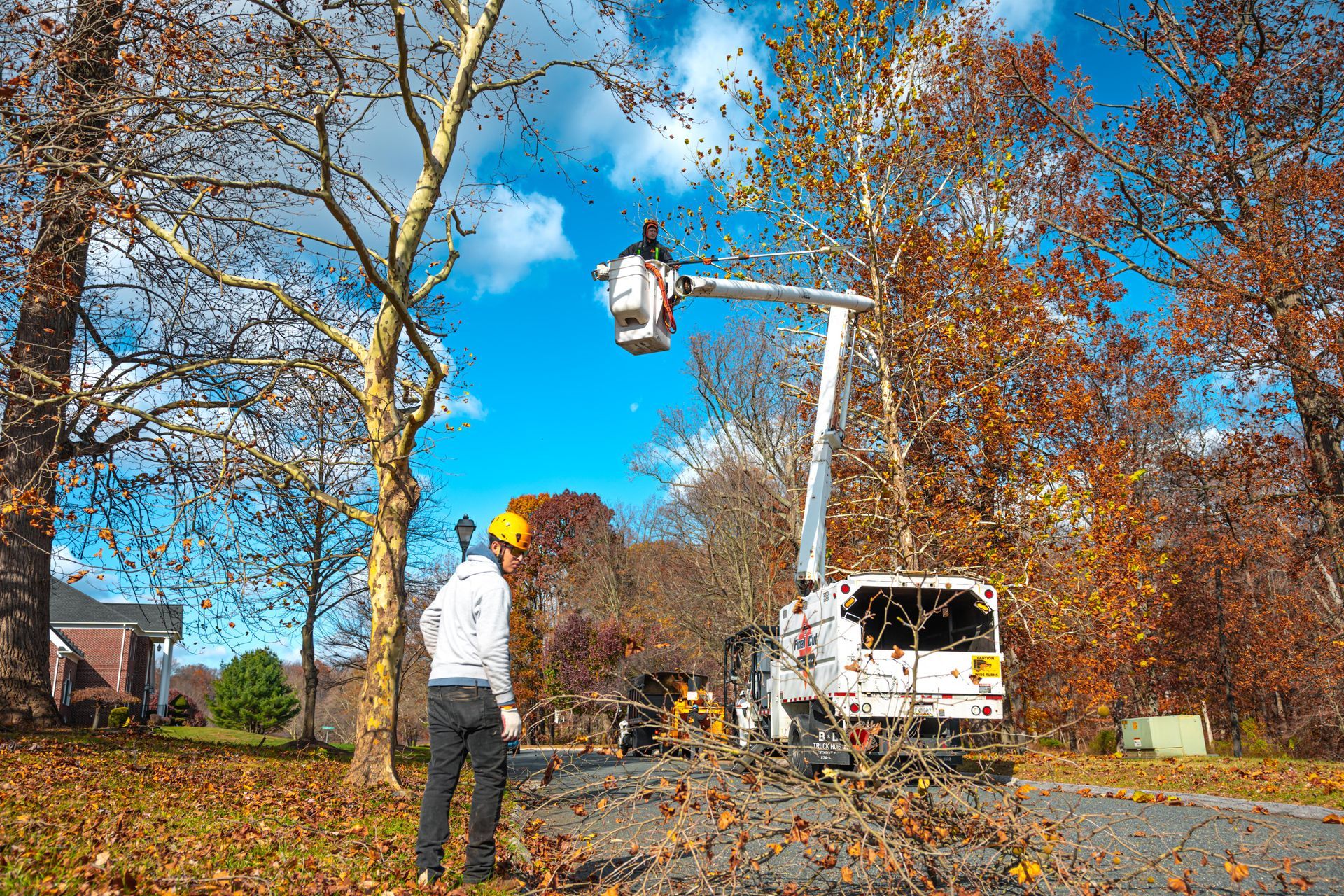
A bucket truck provides elevated access for workers. A crane is used to lift and move loads. A project may require one, both or another approach based on the assessment.
Final Cut provides both services, with the method selected according to the tree and site conditions. The proposal needs to explain the recommended approach without assuming every difficult removal requires a crane.
Could Limited Access Change the Plan for Your Tree?
Our bucket truck and crane services address projects involving restricted access, nearby structures and difficult-to-reach trees. An on-site assessment can determine whether specialized equipment is appropriate for your property.
Utilities and Shared Access Need Early Coordination
Overhead lines can affect both tree work and equipment positioning. Underground utilities and private systems may also matter where equipment will travel or be supported.
Coordination with the utility provider, utility-location checks or other arrangements may be necessary, depending on the work and the site. These questions require professional review before the operation is scheduled.
Shared driveways and neighboring access routes present another planning issue. If the proposed work depends on space outside the customer’s property, any necessary permission needs to be resolved before the service date.
Where staging may affect a public street or sidewalk, applicable access arrangements and approvals also need review. The requirements depend on the proposed setup.
Prewinter Scheduling Depends on Workable Condition
An early assessment gives the project time for equipment coordination and access arrangements. It also allows the removal to be considered alongside other seasonal work on the property.
Towson homeowners may be coordinating tree care with leaf cleanup, driveway use or planned landscape improvements. Establishing the sequence of those activities helps preserve access for equipment and avoids placing new work in the path of removal operations.
Weather Can Change an Approved Access Plan
Rain, snow, ice and wind can affect working conditions. Soft ground may alter an equipment route, while slippery surfaces or strong winds can affect whether the planned operation can proceed.
The site may therefore need reassessment close to the service date. A schedule adjustment can reflect a change in conditions rather than a change in the agreed work.
Early planning supports preparation, but the final work window still depends on the tree, equipment availability and conditions on site.
Cleanup and Stump Work Need a Defined Scope
Removing a standing tree produces branches, trunk sections and smaller debris. The proposal needs to establish what happens to that material and the condition in which the work area will be left.
Some property owners want usable wood retained. Others prefer to have the wood hauled away. Either choice affects processing, temporary storage and the space needed during the project.
The Stump Requires a Separate Decision
Removing the standing tree and addressing the remaining stump involve different work. Stump grinding needs its own access review and a discussion of how the area will be used afterward.
The estimate should make the agreed stump work clear. Any subsequent soil preparation, lawn repair or planting also needs a defined scope.
This gives the homeowner an accurate understanding of the expected finish rather than relying on a general description such as “complete removal.”
The Estimate Should Explain the Plan in Practical Terms
A useful tree removal estimate connects the assessment to the proposed work. It identifies the tree, the reason for removal, the intended equipment approach and the agreed handling of wood and debris.
It also explains which access arrangements remain unresolved and what could affect scheduling. Where crane service is proposed, the plan should reflect an assessed setup location rather than a preliminary assumption.
At Final Cut, we bring tree removal, trimming, stump grinding and specialized equipment services into that planning conversation. For a Towson property, the benefit is a coordinated approach based on the actual tree and its surroundings.
Ready to Plan Tree Removal on Your Towson Property Before Winter?
Request a free estimate from Final Cut to discuss the tree, nearby structures and available access. An on-site assessment can establish the recommended approach and determine whether crane assistance is appropriate for the project.
Related tree removal and prewinter property care resources
Stay in the know
Sign up to get insights, trends, and more in your inbox.
Contact Us
We will get back to you as soon as possible.
Please try again later.
SHARE THIS